A heavy-duty truck can cross thousands of miles while its engine produces constant vibration, heat, and torque. The Heavy Duty Engine Mount sits between that powertrain and the chassis, helping manage movement and protect connected components. It is a compact part. Its failure can mean more noise, harsher vibration, and unplanned workshop time.
That downtime has a measurable business context. The American Transportation Research Institute’s 2024 Operational Costs of Trucking report put average marginal operating costs at $2.270 per mile in 2023. The figure covers more than engine mounts, but it shows why durability and service life matter to fleet operators. A mount should be judged by more than its price or appearance. Material quality, load capacity, vibration control, heat resistance, fitment, and documented testing all deserve attention. So do replacement availability and technical support.
This guide examines manufacturers shaping the 2026 heavy-duty engine-mount market. It considers product range, engineering capability, manufacturing consistency, and evidence behind performance claims. Rankings can be useful, but not universal. A mount suited to one engine, chassis, and duty cycle may not fit another. That nuance is easy to miss. Buyers should verify specifications against the vehicle and operating conditions, then request test data where available. Manufacturer claims alone are not proof.
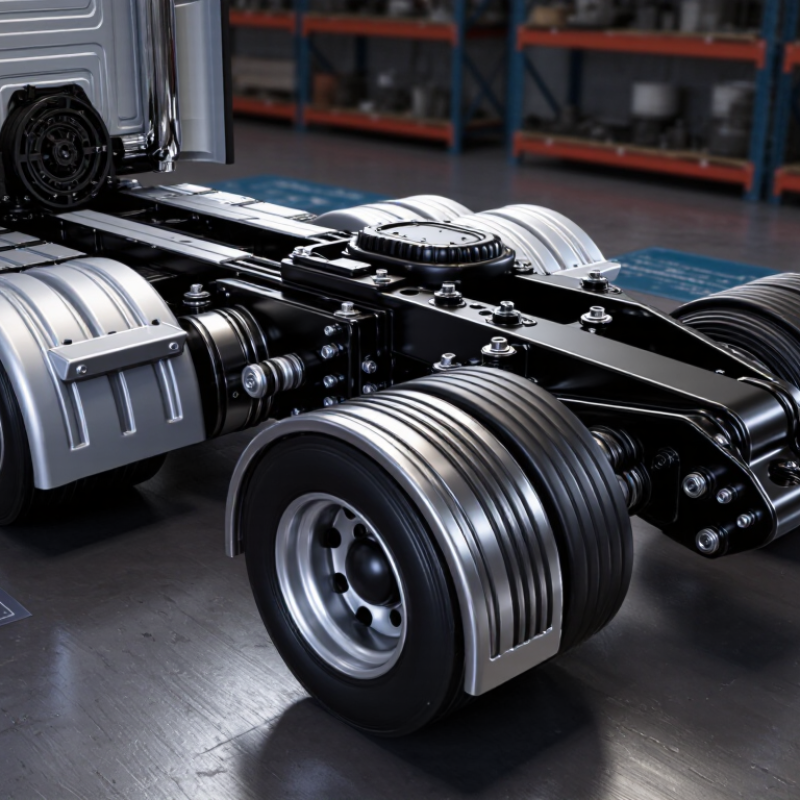
In a commercial vehicle, engine mounts do more than hold the engine in place. They absorb vibration from combustion and reduce the engine’s rocking movement as torque rises. On a loaded truck pulling away from a stop, that movement can travel through the chassis if mounts are worn or poorly matched. The result may be more vibration in the cab and extra strain on nearby hoses, exhaust joints, and driveline connections.
Small parts. Real work.
Mounts also help balance comfort with control. Rubber designs damp vibration through flexible material; hydraulic designs use fluid chambers to manage a wider range of movement. Neither type fixes every vibration. An uneven idle can also point to engine, transmission, or driveline problems, so replacing mounts without diagnosis may waste time. Look for cracked rubber, fluid leakage, separated bonds, or excessive engine movement during inspection.
The American Transportation Research Institute’s 2024 report, An Analysis of the Operational Costs of Trucking, put average trucking operating costs at about $2.27 per mile in 2023. That is not a mount-specific figure, but it shows why small maintenance issues deserve attention in high-mileage fleets. A mount’s correct stiffness and fit depend on engine weight, torque, chassis layout, and duty cycle. A city delivery truck faces frequent starts and curb impacts; a long-haul tractor experiences different vibration and load patterns. There is no universal best mount.
Heavy-duty engine mounts combine resilient elastomers with rigid metal brackets to control engine movement under load. Natural rubber can provide strong vibration isolation, while synthetic compounds may better resist heat, oil, or ozone. The right choice depends on operating temperature, fluid exposure, and expected engine torque. No material wins in every condition.
Steel brackets are common where high strength and fatigue resistance matter. Aluminum can reduce weight, but its geometry and mounting points need careful engineering. Inside the mount, bonded rubber layers, shaped voids, or hydraulic chambers tune stiffness in different directions. This helps limit engine roll during acceleration while softening vibration at idle. Small details matter.
A well-designed mount balances isolation with restraint. If it is too soft, the engine may shift and strain nearby hoses or exhaust connections. If it is too stiff, vibration can travel into the cabin and frame. Engineers assess these trade-offs through load, heat, and durability testing, then inspect failures for cracking, separation, or permanent compression. Real-world results can still differ from lab results. That deserves attention. Regular checks for torn rubber, loose fasteners, and fluid leakage can reveal wear before movement becomes obvious.
A heavy-duty engine mount must control vibration while carrying repeated loads, heat, and engine movement. When evaluating manufacturers, ask how they define the mount’s working load—not just its maximum load. Request drawings, material specifications, and test data for the exact part you plan to buy. A fatigue report should identify test conditions, cycle count, and failure criteria. Otherwise, impressive numbers may tell you very little. Small details matter.
Review how the manufacturer controls rubber bonding, metal preparation, and dimensional variation. Ask how parts are checked between production runs, and whether material batches can be traced. If your equipment faces oil exposure, cold starts, or severe vibration, discuss those conditions directly. A general-purpose sample may not represent field performance. I would not treat a polished brochure as proof. Compare the supplier’s test setup with your application, and ask for clarification when the results seem vague. An audit can help, but it cannot replace clear technical answers and consistent production records.
| Evaluation Dimension | What to Assess | Evidence to Request | Positive Indicator | Potential Concern |
|---|---|---|---|---|
| Heavy-duty application fit | Compatibility with the engine, chassis, duty cycle, load, and installation envelope. | Application questionnaire, interface drawings, load cases, and documented comparable applications. | Requirements are reviewed before a design or quotation is finalized. | A universal fit claim without application-specific review. |
| Design and engineering capability | Control of mount geometry, stiffness, vibration isolation, travel, and retention features. | Design-review records, drawings, material specifications, and analysis or test rationale. | Design choices are linked to stated loads and operating conditions. | Performance claims are not supported by defined requirements or test methods. |
| Materials and construction | Suitability and traceability of elastomer, metal, bonding system, and protective finish. | Material specifications, certificates or inspection records, and change-control documentation. | Materials and revisions can be traced to production lots. | Undocumented material substitutions or unclear revision control. |
| Validation and durability testing | Testing relevant to static loads, vibration, fatigue, temperature, and other specified service conditions. | Test plans, acceptance criteria, reports, sample details, and equipment calibration records. | Test conditions and pass criteria are documented and tied to the intended application. | General durability claims without reports or defined test conditions. |
| Quality management | Document control, inspection, nonconformance handling, corrective action, and process consistency. | Current quality-system certificates, scope and site details, audit information, and inspection plans. | Certification status and scope are verifiable and relevant to the manufacturing site and product. | A certificate is presented without a verifiable scope, site, or current status. |
| Production and process control | Control of molding, bonding, machining, assembly, and final inspection, as applicable to the design. | Process flow, control plans, work instructions, inspection records, and equipment-maintenance practices. | Critical characteristics have defined controls and recorded checks. | Production controls depend mainly on undocumented operator judgment. |
| Traceability and change management | Ability to identify production lots and notify customers of relevant design, material, or process changes. | Lot-identification examples, retention policy, change-notification procedure, and approval records. | Records connect the finished part to its materials and production history. | The supplier cannot explain how affected lots or revisions would be identified. |
| Supply continuity and delivery | Capacity planning, lead-time assumptions, sourcing risks, and response to demand changes. | Capacity review, lead-time breakdown, contingency plans, and communication process. | Commitments are based on stated capacity and reviewed supply risks. | Delivery promises are made without capacity or sourcing details. |
| Warranty and technical support | Clarity of warranty terms, failure-analysis support, and corrective-action response. | Written warranty terms, claim workflow, sample failure-analysis report, and escalation contacts. | Responsibilities, exclusions, and investigation steps are stated in writing. | Warranty coverage or post-sale support is vague or only verbal. |
Use this framework to compare suppliers against the same application requirements. Verify certificates, test reports, and production-site details directly; a certification or test result applies only within its stated scope.
Leading heavy-duty engine mount manufacturers in 2026 should be assessed by engineering performance, not catalog breadth alone. OICA’s 2023 production statistics recorded approximately 26.4 million commercial vehicles worldwide. That figure covers multiple vehicle classes; it is not a measure of heavy-duty mount demand. Still, it shows the scale of the vehicle base that depends on durable vibration-control components. That is only a proxy.
For fleet and equipment applications, compare mount stiffness, fatigue life, heat and oil resistance, and performance under engine torque. Ask manufacturers for test conditions and application-specific validation, not just maximum-load figures. A mount may look robust on a bench yet transmit harsh vibration when installed on a particular chassis. Check fit, fastener access, and whether replacement units maintain the original isolation characteristics. These details matter during a cold start, when a loaded engine rocks against its mounts, or after long exposure to heat and road debris. Published data can be uneven, too. A fair 2026 comparison should distinguish independently verified results from supplier claims and account for operating conditions. That takes more work. It is not a perfect ranking.
Heavy-duty engine mount manufacturers vary in range, construction, and technical support. A useful comparison starts with vehicle coverage: truck, bus, off-highway, and industrial applications can require different mount geometries and load ratings. Some suppliers offer rubber-to-metal mounts, hydraulic designs, and custom configurations. Others focus on common replacement sizes. More options do not automatically mean better coverage. Check whether catalogues specify engine position, dimensions, and compatible operating conditions.
Durability depends on more than a tough-looking casing. Review rubber compound details, corrosion protection, bonding quality, and stated temperature or vibration limits. Ask whether testing reflects heavy loads, repeated heat cycles, and real-world vibration. Fit matters. A poorly matched mount may transmit excess vibration or wear unevenly, even when its materials appear robust. Support is equally practical: clear installation guidance, responsive engineering help, traceable specifications, and a workable warranty process reduce uncertainty. Request drawings or load data when an application is unusual. That helps. Still, published claims can be hard to compare because test methods differ. I would treat a broad service promise cautiously unless the supplier explains response times, replacement procedures, and technical coverage. A short conversation with an applications specialist may reveal more than a polished catalogue.
Suggested weighting for evaluating product range, durability, and support
These percentages are an evaluation framework, not measured manufacturer results or a product ranking. Compare manufacturers using documented fitment coverage, durability testing, load and vibration specifications, technical support, and parts availability.
Mounts often pair rubber with metal brackets. Natural rubber can isolate vibration well, while synthetic compounds may handle heat, oil, or ozone better. Steel offers strength; aluminum can reduce weight but needs careful design.
Bonded rubber layers, shaped voids, or hydraulic chambers tune stiffness in different directions. They can limit engine roll during acceleration and soften vibration at idle. Small details matter.
Consider operating temperature, fluid exposure, and expected engine torque. No single material works best in every condition. Real use can differ from a test bench.
No. A mount that is too soft may let the engine shift and strain hoses or exhaust connections. A mount that is too stiff can send vibration into the cabin and frame.
Look for torn rubber, loose fasteners, or fluid leakage. Cracking, separation, and permanent compression can also reveal wear. Check before engine movement becomes obvious.
Compare stiffness, fatigue life, heat and oil resistance, and performance under engine torque. Ask for test conditions and application-specific validation, not just catalog claims. It takes more work.
Not by itself. A mount may look robust on a bench yet transmit harsh vibration on a particular chassis. Check fit, fastener access, and isolation after replacement.
OICA recorded about 26.4 million commercial vehicles worldwide in 2023, across multiple classes. It indicates a large vehicle base, not heavy-duty mount demand. That distinction is easy to miss.
This article explains the role of a Heavy Duty Engine Mount in commercial vehicles, where it helps secure the engine, manage vibration, and withstand demanding operating conditions. It reviews the materials and design features that can affect performance, including strength, flexibility, heat resistance, and long-term durability. Understanding these factors helps fleet operators and buyers assess whether a mount is suited to a vehicle’s workload and environment.
The article also outlines how to evaluate manufacturers by considering product range, engineering and quality practices, durability, technical support, and parts availability. A comparison of these considerations can help readers make a balanced choice based on vehicle requirements and operating priorities. Rather than relying on a single feature, buyers should consider overall fit, expected service life, and the level of support available throughout ownership.