Blog
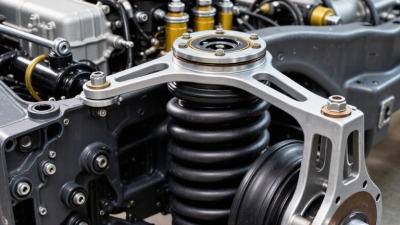
7 Tips to Choose the Right Front Engine Mounting?
Choosing the right Front Engine Mounting is not just a matter of matching bolt holes. The mount must support engine weight, control movement under acceleration, and reduce vibration reaching the cabin. A part that looks correct can still differ in stiffness, rubber formulation, or hydraulic design. Those differences may show up as a steering-wheel tremor at idle, a clunk during gear changes, or excess engine movement under load.
SAE International’s technical publications on vehicle vibration and noise, vibration, and harshness (NVH) offer engineering context for how vibration travels through vehicle structures. Market reports from firms such as Grand View Research track the wider automotive engine-mount market, but market growth does not tell you which mount fits a specific vehicle. Fitment data, manufacturer specifications, and inspection of the old mount matter more. There is no universal replacement interval; heat, oil leaks, road conditions, and driving habits all affect service life.
A reliable selection process starts with the vehicle’s exact year, make, model, engine, and transmission. Then check the part number, mounting points, and manufacturer guidance. As automotive engineer John C. Dixon’s work on vibration and isolation suggests, controlling vibration requires attention to the whole system—not just one component. That is a paraphrase of an engineering principle, not a verified direct quotation about engine mounts. Small details count. The following seven tips help you compare mount construction, confirm compatibility, and avoid a replacement that fits on paper but performs poorly on the road.
Read more »
 By:Evelyn
- November 1, 2026
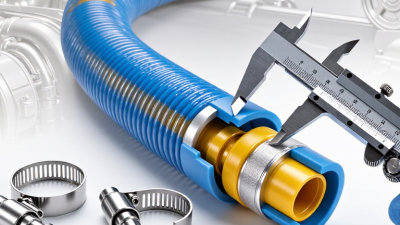
How to Choose the Right Silicone Hump Hose Pipe?
Choosing the right Silicone Hump Hose Pipe is not simply a matter of selecting a bright color or matching an outside diameter. The hose must suit the engine system, pressure level, temperature range, and available movement. A reliable choice begins with real operating conditions. Measure the connection diameter, inspect the bend angle, and note whether vibration causes regular flexing. Even a small mismatch can create leaks, clamp damage, or premature fatigue.
Dr. Laura Chen, a silicone hose engineering specialist, explains, “A good hump hose is chosen for movement first, then for appearance.” That principle deserves attention. The corrugated section must absorb vibration without collapsing under pressure. Reinforcement layers also matter. Polyester may suit moderate service, while aramid reinforcement can support more demanding applications. Always check the supplier’s technical data, including burst pressure, working temperature, wall thickness, and compatibility with coolant, air, or oil mist.
Installation details can decide the final result. A hose may be correctly sized but still fail because the clamp sits on the flexible hump. Place clamps behind the reinforced ends, and avoid twisting the hose during tightening. Check clearance around fans, belts, and hot exhaust parts. One practical warning is easy to miss: the most expensive hose is not automatically the safest choice. I have seen specifications overlooked because the product looked robust. That is poor judgment. Compare verified data, installation space, and service demands together. A careful decision now can prevent roadside repairs later.
Read more »
 By:Charlotte
- October 27, 2026
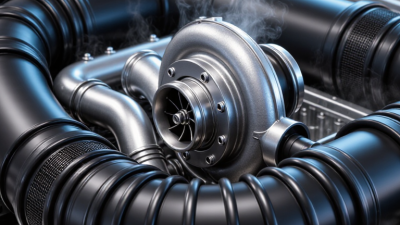
Why Choose a Turbocharger Rubber Hose Pipe?
Why Choose a Turbocharger Rubber Hose Pipe?
A turbocharger works under demanding conditions. Hot compressed air moves through the system, while vibration shakes every connection. Oil mist may also enter the intake path. These conditions make hose quality more important than many drivers expect.
Dr. Alfred Büchi, widely recognized as the turbocharger’s inventor, expressed the core principle clearly: “Exhaust energy can increase engine power without increasing engine size.” His idea still shapes modern forced-induction systems. However, efficient turbocharging depends on more than the turbocharger itself. A reliable Turbocharger Rubber Hose Pipe must tolerate heat, pressure, flexing, and contact with oil vapor. Its reinforced rubber structure can help maintain airflow and reduce leakage around intercooler and intake connections.
Small details matter.
A properly selected hose should match the engine’s diameter, pressure range, temperature exposure, and routing space. A loose clamp can cause a boost leak. A badly routed pipe may rub against a bracket until the outer layer weakens. These failures often begin quietly, with reduced acceleration, hissing sounds, or unstable boost pressure.
Choosing a Turbocharger Rubber Hose Pipe is therefore a practical reliability decision, not merely a replacement task. Experienced technicians inspect the hose surface, inner lining, clamps, and nearby heat sources together. Still, no hose is perfect. Installation errors, excessive engine movement, or neglected maintenance can shorten its service life. The best choice combines verified material quality, correct fitment, and regular inspection under real operating conditions.
Read more »
By:Evelyn
- October 22, 2026
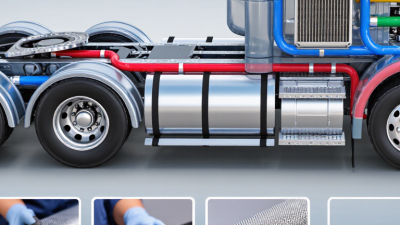
What Is a Truck Coolant Hose Pipe and How to Choose One?
A Truck Coolant Hose Pipe carries coolant between the engine, radiator, heater core, and expansion tank. It works under heat, pressure, vibration, and repeated temperature changes. When the hose weakens, coolant may leak onto the ground or leave a sweet smell near the engine bay. Even a small crack can lead to overheating and expensive engine damage.
Choosing the correct hose requires more than matching its outside appearance. Check the truck’s make, model, engine type, hose position, and original dimensions. Measure the inside diameter carefully. A loose connection may leak, while a tight fit can stress the rubber. Confirm the hose material and temperature rating, especially for heavy-duty vehicles working in hot climates or carrying heavy loads. Reinforced silicone and high-quality EPDM are common options, but each application has different demands. That detail matters.
Look for smooth bends, strong clamps, and clean connection points. The hose should not touch sharp brackets, belts, or exhaust components. Experienced technicians often inspect nearby hoses because one failed part may indicate broader aging. Still, visual inspection has limits. A hose can feel firm outside while deteriorating internally. This is easy to miss.
This guide explains what a Truck Coolant Hose Pipe does and how to select one reliably. It focuses on practical inspection, fitment, materials, and maintenance decisions. Manufacturer specifications should remain the final reference. No universal hose suits every truck. That assumption can become costly.
Read more »
 By:Elowenna
- October 17, 2026
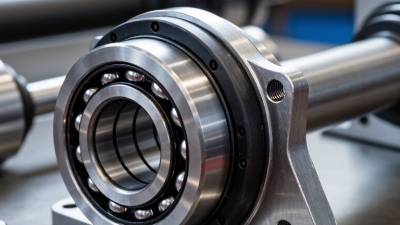
What Are the China Top 10 Centre Bearing Assembly Suppliers?
Choosing a reliable Centre Bearing Assembly supplier requires more than comparing prices or browsing polished catalogues. This component supports the propeller shaft, manages rotational movement, and helps control vibration beneath the vehicle. A weak bearing can create humming sounds, floor tremors, uneven wear, or costly driveline damage.
Dr. John R. Fancher, a respected vehicle dynamics researcher, once stated, “Reliable driveline performance depends on controlling vibration, alignment, and load together.” That principle guides this supplier review. Each company is examined through practical indicators, including manufacturing experience, material consistency, bearing design, rubber support quality, testing procedures, and aftermarket availability. Factory certifications matter. So do traceable specifications and responsive technical support.
The top ten list is not a perfect ranking. Supplier strengths can change by vehicle type, region, and production batch. That deserves attention. A manufacturer serving heavy trucks may not suit a passenger-car driveshaft. Likewise, a low-cost assembly may appear attractive until installation reveals poor fitment or excessive noise.
This introduction provides a realistic starting point for buyers, distributors, repair specialists, and vehicle manufacturers. It considers established global brands and capable regional producers. The review also recognizes an uncomfortable fact: public supplier information is sometimes incomplete. Therefore, readers should verify current certifications, dimensions, warranty terms, and testing records before purchasing. A dependable Centre Bearing Assembly should fit accurately, operate quietly, and remain stable under heat, load, and continuous road vibration.
Read more »
By:Evelyn
- October 13, 2026
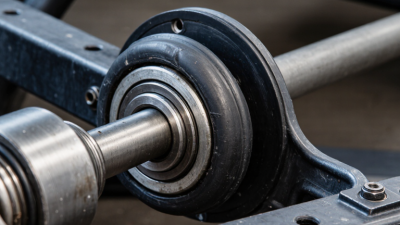
What Is a Drive Shaft Center Support Bearing?
A Drive Shaft Center Support Bearing is a small but essential component in many two-piece driveline systems. It supports the shaft near its midpoint and helps maintain proper alignment as the vehicle moves. Without stable support, the rotating shaft may vibrate, sag, or place stress on nearby joints.
The bearing usually sits inside a rubber cushion or carrier assembly. This cushion absorbs movement while the bearing allows the shaft to spin smoothly. During inspection, technicians often look for torn rubber, excessive play, rust, or a low humming sound beneath the vehicle. A noticeable vibration may increase with speed, especially during acceleration. Small noises matter.
Understanding this component requires more than memorizing its name. Drive shaft design varies between trucks, SUVs, commercial vehicles, and rear-wheel-drive cars. Service procedures also depend on the manufacturer’s specifications, shaft construction, and installation marks. Incorrect positioning can create vibration even when the replacement bearing is new.
A careful diagnosis should separate bearing failure from worn universal joints, damaged mounts, bent shafts, or tire problems. That distinction is important. Replacing the wrong part wastes time and money. Experienced technicians typically inspect the complete driveline, check shaft movement, and confirm symptoms through a controlled road test. Some noises remain difficult to identify at first, and a single test may not reveal the cause. This explanation cannot replace a vehicle-specific service manual. It does, however, provide a reliable starting point for understanding how the Drive Shaft Center Support Bearing works, why it fails, and when professional inspection becomes necessary.
Read more »
By:Evelyn
- October 13, 2026

Top EPDM Radiator Hose Suppliers for Global Buyers?
Global buyers need more than a long supplier list when sourcing EPDM Radiator Hose. They need evidence of material consistency, pressure performance, production capacity, and dependable export service. The global automotive industry produced approximately 93.5 million vehicles in 2023, according to the International Organization of Motor Vehicle Manufacturers (OICA). That scale creates sustained demand for durable cooling-system components, especially in heavy-duty, commercial, and replacement markets.
Performance remains critical. The SAE J20 standard identifies key requirements for automotive coolant hoses, including temperature resistance, pressure tolerance, and dimensional stability. EPDM is widely selected because its rubber compound performs well against hot coolant, ozone, weathering, and repeated thermal cycling. However, not every EPDM Radiator Hose offers the same service life. Compound formulation, reinforcement quality, curing control, and end-fitting accuracy can change field results significantly.
The following outline evaluates leading suppliers through practical purchasing criteria. These include factory experience, test documentation, quality systems, customization capability, minimum order quantities, and international logistics. Industry studies from Grand View Research and Smithers continue to indicate strong demand for automotive rubber components, supported by vehicle production, maintenance, and aftermarket replacement activity. Yet market reports rarely reveal the full supplier picture. They may not show complaint rates, batch traceability, or how a hose performs after repeated coolant exposure.
That gap matters.
Buyers should verify ISO certifications, batch test records, sample approvals, and compatibility with regional vehicle models. Price alone can mislead. A cheaper hose may create installation delays, leakage risks, or premature replacement costs. No supplier ranking is universally correct. This guide therefore combines published market evidence with practical supplier-screening experience, while recognizing that specifications and performance data still require independent verification.
Read more »
By:Evelyn
- October 13, 2026