Choosing the right Silicone Hump Hose Pipe is not simply a matter of selecting a bright color or matching an outside diameter. The hose must suit the engine system, pressure level, temperature range, and available movement. A reliable choice begins with real operating conditions. Measure the connection diameter, inspect the bend angle, and note whether vibration causes regular flexing. Even a small mismatch can create leaks, clamp damage, or premature fatigue.
Dr. Laura Chen, a silicone hose engineering specialist, explains, “A good hump hose is chosen for movement first, then for appearance.” That principle deserves attention. The corrugated section must absorb vibration without collapsing under pressure. Reinforcement layers also matter. Polyester may suit moderate service, while aramid reinforcement can support more demanding applications. Always check the supplier’s technical data, including burst pressure, working temperature, wall thickness, and compatibility with coolant, air, or oil mist.
Installation details can decide the final result. A hose may be correctly sized but still fail because the clamp sits on the flexible hump. Place clamps behind the reinforced ends, and avoid twisting the hose during tightening. Check clearance around fans, belts, and hot exhaust parts. One practical warning is easy to miss: the most expensive hose is not automatically the safest choice. I have seen specifications overlooked because the product looked robust. That is poor judgment. Compare verified data, installation space, and service demands together. A careful decision now can prevent roadside repairs later.
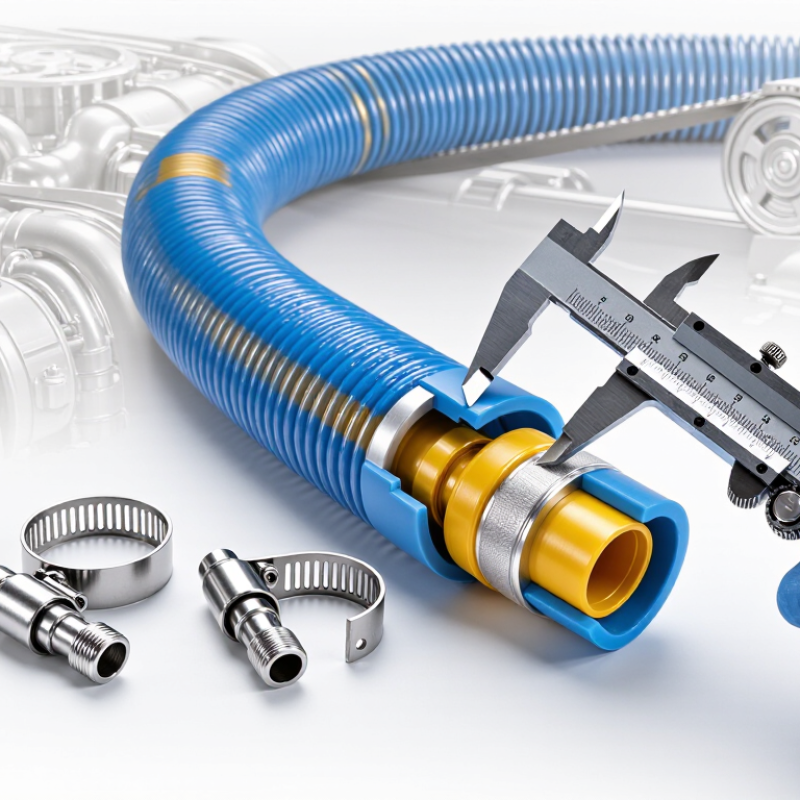
A silicone hump hose pipe is a flexible connector used between rigid tubes in air, coolant, or charge-air systems. Its raised center, or hump, acts like a small expansion joint. When an engine moves, the hose flexes instead of forcing nearby pipes to bend. It also absorbs vibration, minor misalignment, and length changes caused by heat. That simple shape prevents stress from reaching clamps, welds, and fittings. The hose is not just a soft tube.
During operation, pressure pushes against the inner wall. Reinforced silicone layers resist swelling, while the hump allows controlled movement. A smooth inner surface supports steady airflow and reduces places where deposits can collect. In practical inspections, I check for oil softening, surface cracks, loose clamps, and flattened humps. A hose may look sound outside but feel weak near its ends. That detail is easy to miss.
To choose the right pipe, measure the outside diameter of both connected tubes. Check operating temperature, pressure, fluid exposure, and available bend space. Select a length that allows movement without fully stretching the hump. Too short creates tension; too long may collapse during bending. Use compatible clamps, but do not overtighten them. I have found measurement errors more common than material failures. Still, that finding needs caution because installation quality changes every result.
How to Choose the Right Silicone Hump Hose Pipe?
Matching the hose size and shape to your system requires more than measuring one opening. Measure the outside diameter of both connection points with a reliable caliper. Then check whether the ends are equal or different in size. A reducer-style hump hose may be necessary when diameters do not match.
Study the route carefully. Count the bends, offsets, and available clearance near brackets or moving parts. A straight hose can look correct during installation but fail when the system vibrates. The hump section should absorb movement without being stretched, sharply folded, or forced into alignment. I have seen installations fail because the hose was slightly too short. It fitted, but only under tension. That detail is easy to miss.
Tips: Measure twice. Sketch the hose path. Leave room for expansion. Match the hose angle to the system, not just the pipe angle. Check temperature, pressure, and fluid compatibility before ordering. Use clamps suited to the hose and inspect the sealing area for scratches or uneven edges. A thicker wall may improve durability, but it can also reduce flexibility. This is where judgment matters. Specifications help, yet the real installation environment can expose weaknesses that a drawing does not show.
Choosing a silicone hump hose pipe starts with its working environment, not its color or appearance. Standard silicone grades suit many air, coolant, and charge-air systems. High-temperature grades perform better near hot engine components. Fluorosilicone liners may resist fuel vapor and certain oils, but they can cost more and need application-specific verification. Do not assume every silicone hose handles every fluid safely. Check temperature, pressure, vacuum, fluid exposure, and movement requirements together.
Tips: Measure the hose inner diameter carefully. Allow room for expansion and thermal movement. Choose polyester reinforcement for common pressure demands. Consider aramid reinforcement when higher strength and heat resistance are required. A wire helix may help with suction applications, but it can reduce flexibility. Always review test data and fitting compatibility before installation.
In practical installations, the hump section absorbs vibration and alignment changes between rigid pipes. Too little flexibility can stress clamps and nearby components. Too much flexibility may cause collapse, rubbing, or unstable support. I have found that short hoses are often selected by habit, then fail because heat gathers near bends. That mistake is easy to repeat. Inspect the bend radius, clamp position, and surface condition after fitting. A grade that works well in a cool test area may behave differently beside a hot manifold. Silicone selection is therefore a balance between material grade, reinforcement, geometry, and actual service conditions.
How to Choose the Right Silicone Hump Hose Pipe?
How to Check Temperature, Pressure, and Chemical Compatibility
A silicone hump hose must match the real operating temperature, not just the engine’s peak reading. Measure heat near the connection, where radiant heat may be higher. Check both continuous and short-term temperature limits. A hose exposed to constant heat can age faster than expected. Leave a safety margin.
Pressure ratings require equal care. Compare the hose’s working pressure with the system’s highest pressure, including sudden spikes. Do not confuse burst pressure with safe working pressure. Check whether the line experiences vacuum, pulsation, or sharp movement. These conditions can flatten or fatigue the hose. Clamps also matter. Uneven tightening may create leaks.
Chemical compatibility is often overlooked. Silicone may resist heat well, but it is not suitable for every oil, fuel, solvent, or cleaning fluid. Confirm the chemical name, concentration, temperature, and contact time. Request compatibility data from a technically accountable supplier. A small sample test can expose swelling, softening, cracking, or discoloration. Inspect after several heat cycles. A clean-looking surface can still hide internal damage. This is where judgment becomes imperfect, so record findings and review them with the system engineer.
How to Choose the Right Silicone Hump Hose Pipe?
A suitable silicone hump hose pipe must match the system’s size, pressure, temperature, and fluid exposure. Measure the outside diameter of both connection points, not just the old hose. Check the number of reinforcement layers for demanding applications. A thicker wall is not always better. It may reduce flexibility and create stress near the clamps. Review the hose specification carefully, especially its temperature range and chemical compatibility. Small flaws matter.
Inspect the hose under good lighting before installation. Look for cuts, surface bubbles, hard spots, uneven thickness, and oil swelling. Flex the hump gently. It should bend smoothly without cracking sounds or permanent distortion. Clean the pipe ends and remove rust, dust, and sharp edges. Slide the hose fully over each connection. Keep the hump centered and avoid twisting it. Position the clamps behind the raised beads, then tighten them evenly. Over-tightening can damage the silicone and restrict the inner passage. I have seen leaks caused by alignment, not defective material.
After installation, run the system at low load and check for movement, air loss, or coolant traces. Reinspect the clamps after the first operating cycle because the hose may settle slightly. During routine maintenance, check for abrasion, discoloration, softening, and clamp migration. Replace the hose when reinforcement becomes visible or the surface feels unusually brittle. Do not patch a damaged section. It rarely remains reliable under vibration. Keep spare hoses stored away from sunlight, ozone sources, and sharp tools. My own inspection habits still improve; rushed checks can miss a small wrinkle that later becomes a serious leak.
This chart presents a practical maintenance cadence for silicone hump hose pipes: inspect the hose visually before use, check clamps and connections monthly, perform a detailed condition inspection every six months, and review replacement requirements annually. Actual intervals should be adjusted according to temperature, pressure, vibration, chemicals, and the hose manufacturer's instructions.
It connects rigid tubes in air, coolant, or charge-air systems.
The hump acts like a small expansion joint.
Measure the outside diameter of both connected tubes.
Check continuous and short-term temperatures near the connection.
Compare the working pressure rating with the system’s highest pressure.
No. Silicone may resist heat but react poorly with some oils, fuels, solvents, or cleaners.
Clean the tube ends and remove rust, dust, and sharp edges.
Run the system at low load.
Replace it when reinforcement becomes visible or the surface feels brittle.
Choosing the right Silicone Hump Hose Pipe requires more than selecting a flexible connector by appearance. First, understand how its hump-shaped design absorbs vibration, movement, and misalignment within a piping or air-intake system. Measure the required inner diameter, length, bend angle, and connection shape carefully so the hose fits without excessive stretching or sharp bending. The silicone grade and reinforcement layers should also match the system’s flexibility, durability, and operating requirements.
Before installation, check the hose’s temperature range, pressure rating, and resistance to the fluids, vapors, oils, or chemicals it may encounter. Select a construction that provides a suitable safety margin rather than operating continuously at its limits. Inspect the hose for cracks, cuts, deformation, or damaged reinforcement, and make sure all connection surfaces are clean and properly aligned. During installation, use compatible clamps and avoid over-tightening. Regular inspections can identify wear, leakage, or loosening early, helping maintain reliable performance and extend service life.