High-Performance Rubber Vibration Dampers & Driveline Mounts
Engineered to mitigate dynamic torque shocks, reduce high-cycle structural fatigue, and deliver verified compound endurance according to IATF 16949 / ISO 9001 criteria.
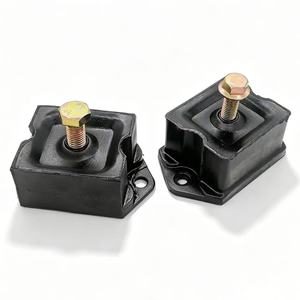
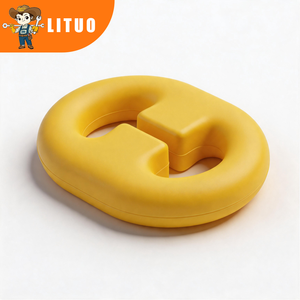
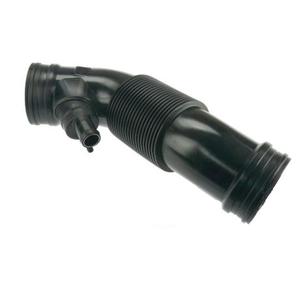
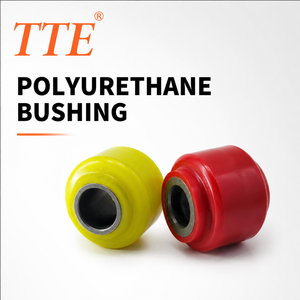
◆ Material Dynamics & Vulcanization Engineering in Modern Buffer Blocks
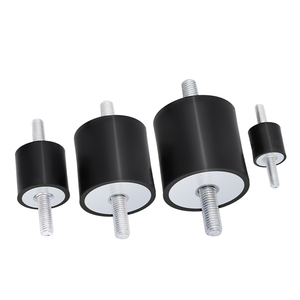
In mechanical isolation and vehicle NVH (Noise, Vibration, Harshness) mitigation, an industrial rubber buffer block acts as the primary boundary layer between dynamic kinetic energy and rigid subframe structures. The performance of heavy-duty elastomeric buffers relies directly upon compound recipe optimization, vulcanization kinetics, and metal-to-rubber interface bonding chemistry.
Top China rubber buffer block factories utilize high-grade Natural Rubber (NR) blends with selected polybutadiene (BR) to preserve resilience at sub-zero operating temperatures while limiting irreversible compression set under continuous loading. Where oil spray, hydraulic fluids, or high-ozone exposure is expected, compounds based on Nitrile Butadiene (NBR), Chloroprene (Neoprene / CR), and Ethylene Propylene Diene Monomer (EPDM) provide tailored resistance to chemical degradation and micro-cracking.
For high-load commercial vehicles such as Sinotruk HOWO, Shacman, BPW axles, and heavy trailer platforms, the interface between structural carbon steel plates and the vulcanized elastomer represents a frequent point of mechanical failure if not properly engineered. Modern automated manufacturing lines mitigate this by integrating shot-blasting surface preparation, automated Chemlok adhesive application, and computer-controlled hydraulic compression transfer presses. This yields shear peel strengths exceeding 12–14 MPa, ensuring failure occurs via cohesive rubber tearing rather than adhesive bond separation.
| Elastomer Compound | Hardness (Shore A) | Tensile Strength (MPa) | Operating Temp Range | Primary Industrial Application |
|---|---|---|---|---|
| Natural Rubber (NR) Grade A | 45 – 75 ±5 | ≥ 18.5 | -40°C to +85°C | Engine Mounts, Shackle Bushings, Driveline Isolators |
| EPDM (High-Diene Polymer) | 50 – 80 ±5 | ≥ 14.0 | -45°C to +135°C | Radiator Mounts, Exhaust Brackets, Outdoor HVAC Dampers |
| NBR (Nitrile Butadiene Rubber) | 60 – 85 ±5 | ≥ 15.0 | -30°C to +110°C | Hydraulic Pump Cushions, Gearbox Buffer Blocks |
| Cast Polyurethane (PU / TPU) | 75 – 95 ±3 | ≥ 28.0 | -35°C to +90°C | Axle Suspensions, BPW Arm Bushings, Fifth-Wheel Pivots |
As illustrated above, transitioning from pure elastomeric vulcanizates to microcellular elastomers or high-modulus polyurethane allows procurement teams to adjust static-to-dynamic stiffness ratios (Kd/Ks), helping preserve chassis geometry under heavy working loads.
▲ Future Sourcing Trends: How Global Buyers Are Procuring Rubber Buffer Blocks
The procurement landscape for elastomeric suspension parts and industrial dampers is undergoing a fundamental shift. Sourcing directors at tier-one automotive distributors, mining fleets, and heavy equipment manufacturers are replacing simple price-per-piece metrics with integrated life-cycle performance evaluations.
Digitized Rheometer Batch Traceability
Tier-one procurement now requires electronic curing curve data (MDR rheometer traces showing tc90, ts2, scorch time) per compound masterbatch. This prevents uneven cure states and guarantees identical rebound dynamics across seasonal export shipments.
Shift toward PU & Hybrid Damping Units
Trailer fleets and municipal transit networks are increasingly replacing traditional rubber leaf bushings with cast polyurethanes. The higher tear resistance and reduced friction against steel shackles extend maintenance intervals up to three times.
Eco-Compliant Vulcanization Chemistry
Exporting to European, North American, and GCC markets requires strict adherence to REACH, RoHS, and low-nitrosamine curing systems. Modern Chinese factories have replaced secondary amine vulcanization accelerators with nitrosamine-safe compounds (e.g., TBzTD and ZBEC).
📈 Technological Roadmap: The Evolution of Industrial Rubber Buffers
The modern industrial rubber buffer block is moving beyond a static block of vulcanized rubber toward engineered, multi-phase energy absorption systems. Several notable technological developments are shaping current manufacturing practices:
Finite Element Analysis (FEA) Non-Linear Design Modeling: High-tier Chinese manufacturers now routinely model hyperelastic elastomeric behavior using Mooney-Rivlin and Ogden strain energy functions before tool fabrication. By evaluating localized von Mises stress spikes and shear strain distributions within the virtual model, tooling engineers can adjust fillet radii, alter internal void channels, and reduce localized shear strain—mitigating initiation points for internal fatigue tearing.
Automated Continuous Salt-Bath and Microwave Vulcanization for Profiles: Moving beyond batch compression molding, extrusion and continuous microwave vulcanization lines are now utilized for complex buffer geometries. This creates uniform crosslink density across the part cross-section, eliminating soft under-cured cores in thick rubber bumpers exceeding 80mm in depth.
Microcellular Polyurethane (MCU) Integration: In primary vehicle suspension stops and jounce bumpers, microcellular elastomers are increasingly preferred over solid rubber. Their cell structure compresses inward without lateral volumetric bulging, enabling compact packaging and highly progressive damping rate curves.
★ Enterprise Advantages: Why Global Buyers Trust Our Manufacturing Ecosystem
Building on over four decades of industry know-how dating back to 1980, our production base combines deep application insight with rigorous factory-floor process controls to supply durable commercial vehicle parts worldwide.
Over 4 Decades of Production Heritage
Established technical experience across heavy commercial truck platforms, trailers, and agricultural machinery ensures parts match critical OE dimensions and structural requirements.
In-House Tooling & Mold Development
Rapid conversion from 2D engineering drawings or worn physical samples into precision production tooling, complete with validated shore hardness and custom polymer compounding.
100% Pre-Dispatch Quality Control
Every single batch undergoes dimensional verification, durometer checks, tensile pull testing, and visual inspection to prevent premature field failures and shipping returns.
Direct Global Dispatch & Logistics
Comprehensive inventory of fast-moving mounts, centre bearings, and bushing variants allows short lead times and reliable shipping to over 20 destination countries.
Whether you require standard reference mounts (such as 88509, 88512, WG1680590095, DZ95259590115) or custom OEM vibration buffer blocks, our manufacturing facilities provide direct factory-level engineering and consistent batch quality.
Frequently Asked Questions by Industrial Importers & Engineers
Key information regarding material validation, minimum order quantities, and OEM cross-referencing for rubber buffer blocks.
Can you manufacture rubber buffer blocks directly from OE numbers or worn physical samples?
Yes. We regularly produce parts using OEM reference numbers (e.g., Sinotruk, Shacman, BPW, Tata, Leyland), engineering CAD prints (STEP/DWG), or physical samples. Our engineering team measures metal plate thickness, thread pitch, internal sleeve diameters, and rubber shore hardness to build accurate production molds and verify fitment.
How do you test and prevent rubber-to-metal bonding separation in high-vibration applications?
We use a multi-step bonding preparation process: steel components are grit-blasted to Sa 2.5 cleanliness, degreased, and coated with primer and Chemlok bonding agents. Curing occurs under controlled hydraulic press temperature and tonnage. We conduct destructive 90-degree adhesion peel tests (ASTM D429 Method B) to verify that failures occur cohesively within the rubber compound itself rather than at the bond line.
Which elastomer material is ideal for severe outdoor or oil-contaminated equipment environments?
For applications with grease, lubricants, and fuel exposure, high-acrylonitrile NBR (Nitrile) compounds are recommended. If the buffer is exposed to high ambient temperatures, UV, and ozone, sulfur-cured or peroxide-cured EPDM is the standard choice. For extreme mechanical shear and abrasion without chemical exposure, high-tensile Natural Rubber (NR) blends provide optimal fatigue life.
What are the typical lead times for custom tooling and mass production shipments?
Standard prototype mold tooling typically requires 12 to 18 days, followed by sample batch submission for dimensional and hardness approval. Once verified, full container-load production cycles typically take 25 to 35 days, depending on steel insert stamping schedules and overall order volume.
How are buffer blocks packaged to protect metal coatings and rubber surfaces during ocean freight?
Each unit is treated with surface anti-rust oil (on bare metal inserts), packed in moisture-resistant polyethylene liners, cushioned in heavy-duty 5-ply corrugated master cartons, and palletized on heat-treated ISPM-15 export pallets. This protects the elastomers from oxidation and humidity during multi-week ocean transit.
Ready to Optimize Your Buffer Block Sourcing?
Submit your part numbers, technical specifications, or custom dimensional drawings. Our engineering and export team will provide a comprehensive manufacturing review and direct factory quotation within 24 hours.