High-Torque Anti-Vibration Engine Mounting Assemblies
Engineered for high-torsion commercial vehicles, haulage tractors, and extreme payload applications. Guaranteed mechanical interlock bonding with synthetic polymer compounding.
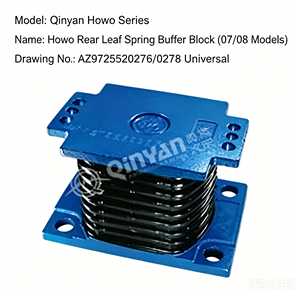
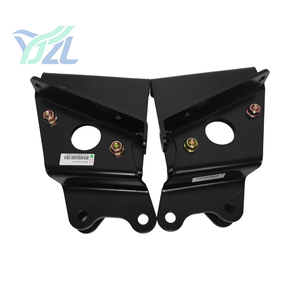
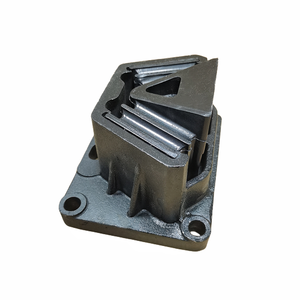
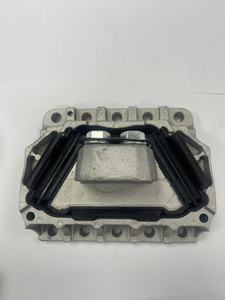
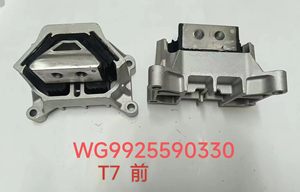
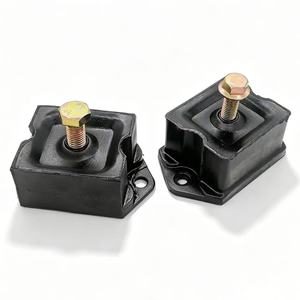
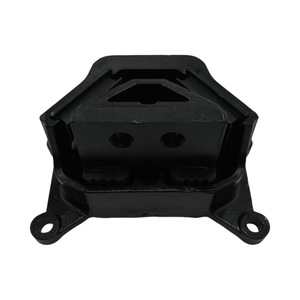
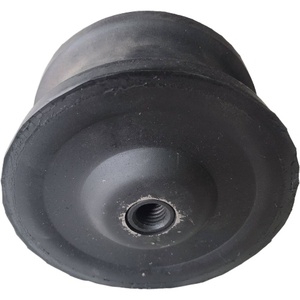
Commercial Powertrain NVH Mechanics & Mount Degradation Profiles
In heavy commercial vehicles (Class 6 through Class 8), engine mounts operate as critical structural isolators. Subjected to dynamic shock loads exceeding 3.5g, thermal environments ranging from -40°C to +120°C, and constant aggressive exposure to petroleum fluids, standard rubber compounds rapidly fail. A complete breakdown of commercial mount engineering requires examining rubber-to-metal vulcanization, dynamic durometer calibration, and static versus dynamic spring rates.
| Mounting Parameter | Standard Commercial Grade | OEM Tier-1 Specifications | Our Custom Heavy-Duty Spec |
|---|---|---|---|
| Primary Elastomer | Reclaimed Natural Rubber (NR) Blend | Virgin High-Cis Polyisoprene / NR | Synthetic Neoprene/NR Polymer Blend |
| Bonding System | Single-Coat Solvent Primer | Dual-Coat Chemlok Phosphatized Interlock | Tri-Layer Silane Hybrid Adhesion Matrix |
| Shore A Hardness Range | 50–75 Shore A (±8 Tolerance) | 55–70 Shore A (±5 Tolerance) | 55–68 Shore A (±2 Precision Tuned) |
| Tensile Shear Strength | < 8.5 MPa | 10.0–12.5 MPa | > 15.2 MPa (Destructive Shear Tested) |
| Hydraulic Fluid Resilience | Moderate Swelling (> 18%) | Controlled Swelling (< 8%) | Hydrocarbon Sealed Shielding (< 3.5%) |
Static vs. Dynamic Stiffness
Our OEM formulations maintain a tight dynamic-to-static stiffness ratio (< 1.35 at 15 Hz), preventing the transmission of engine idle harmonics into the vehicle chassis while maintaining the load capacity necessary to mitigate chassis roll during extreme gear shifting.
Chemical De-Bonding Mitigation
Surface phosphating of carbon steel brackets followed by zinc-nickel electro-coating creates an impenetrable barrier against salt spray corrosion (surpassing 720 hours in ASTM B117 testing) and prevents mineral oil ingress at the bonding margin.
High-Amplitude Damping
Engineered rubber geometries incorporate auxiliary snubber channels to dissipate low-frequency, high-displacement shocks during off-highway operations and severe braking events, shielding the transmission bell housing from catastrophic structural cracking.
Future Procurement Trends in the Global Truck Mount Supply Chain
B2B automotive supply directors face shifting variables in commercial fleet maintenance. Procuring powertrain mounts now requires multi-variable strategic planning focused on total lifecycle costs, nearshore inventory buffers, and material evolution.
Consolidated Modular Kits
Distributors increasingly source complete powertrain suspension packages rather than bare individual mounts. Sourcing front mounts, rear transmission blocks, and chassis hardware simultaneously reduces supply chain overhead and avoids fleet downtime caused by mismatched component aging.
Total Cost of Ownership (TCO)
While low-cost remanufactured mounts save capital upfront, field analysis reveals a 3.4x higher replacement rate. Fleet buyers now demand traceable polymer formulation documentation and certified destructive test reports before approving wholesale orders.
Custom OEM/ODM Drawing Agility
Commercial vehicle refitters require rapid-turnaround tooling. Modern factories must manufacture custom rubber durometer formulations directly from STEP/CAD files within 30 days to align with changing platform variants across Europe, Asia, and the Americas.
Technological Roadmaps & Next-Generation Mount Innovations
The transition toward cleaner diesel (Euro VI / EPA 10), alternative fuels, and heavy commercial electrification changes engine mount vibration dynamics entirely.
Hydraulic Mount Integration
Commercial trucks are progressively adopting hydro-mount technology featuring internal fluid orifices and inertia tracks. These assemblies combine low stiffness at idle with heavy hydraulic damping at resonance frequencies, preventing vehicle shake without requiring brittle, ultra-dense rubber compounds.
High-Temperature Fluoroelastomers
Engine compartments are growing more compact due to advanced exhaust gas recirculation (EGR) and selective catalytic reduction (SCR) systems. Consequently, conventional natural rubbers are being reinforced with ethylene acrylic elastomer (AEM) to sustain continuous operating temperatures up to 150°C.
Lightweight Composite & Alloy Brackets
Weight reduction demands across commercial fleets are replacing traditional cast iron brackets with high-pressure structural die-cast aluminum alloys and glass-fiber reinforced thermoplastics, reducing unsprung mass while preserving structural safety margins.
Why Tier-1 Importers & Fleet Operators Choose Our Manufacturing
Combining four decades of specialized automotive rubber fabrication with modern testing protocols to serve heavy-duty fleets worldwide.
Since 1980 Legacy
Over 46 years of hands-on expertise in automotive rubber compounds, cross-member geometries, and precise heavy commercial vehicle configurations.
Sample & CAD Customization
Custom engine mounts engineered to physical samples, OEM drawings, or precise bore-and-pitch requirements with custom vulcanization tooling.
Strict Quality Control
Every single batch undergoes dimensional verifications, Shore A durometer validation, and destructive adhesion testing prior to export packing.
Global Strategic Export
Centrally distributed to over 20 countries with fast dispatch options, moisture-barrier packaging, and dedicated commercial documentation.
Procurement & Technical Support Questions
In-depth engineering answers for procurement managers, fleet mechanics, and OEM aftermarket distributors.
How do you verify rubber-to-metal bond integrity on heavy-duty engine mounts?
Can you manufacture custom mounts directly from OEM numbers or physical samples?
What natural rubber compounds are used to withstand diesel oil saturation?
What are the mechanical symptoms of a failing truck engine mount?
How do you handle wholesale MOQ, sampling, and export packing?
How do aluminum engine brackets compare to ductile iron assemblies?
Connect Directly with Our Powertrain Mounting Engineers
Send your bill of materials, OEM cross-reference numbers, or custom 2D/3D part drawings for immediate technical review and competitive wholesale factory pricing.
Inquire Now