Featured Commercial Vehicle Rubber & Silicone Components
Standardized OE-replacement geometries engineered to ISO 3302-1 precision tolerances, matching heavy-duty driveline, exhaust, suspension, and charge-cooling demands.
Charge-Air Aerodynamics & Elastomeric Integrity in High-Performance Spanish Applications
An analytical overview of intercooler silicone hose composition, pressure dynamics, oil-mist permeation barriers, and localized thermal endurance under Iberian environmental cycles.
Multi-Ply Aramid (Kevlar) & Polyester Matrix
Standard intercooler hoses under continuous duty in commercial road transport suffer rapid hoop-stress delamination when exposed to manifold pressures exceeding 2.5 bar. Our manufacturing protocol integrates 4 to 6 plies of bi-directional woven meta-aramid or high-tenacity knitted polyester fabrics. This reinforcement minimizes diametrical expansion under cyclic boost spikes, preserving throttle responsiveness and eliminating intercooler pressure drop across long uphill gradients such as the Guadarrama and Somosierra passes.
Fluorosilicone (FVMQ) Hydrocarbon Barrier
Turbocharger blow-by vapors contain aggressive synthetic engine lubricants, acidic fuel residues, and vaporized additives that swell pure silicone (VMQ) elastomers within 50,000 km. We formulate an inner co-extruded fluorosilicone barrier layer conforming to SAE J200 requirements. This impermeable liner prevents matrix softening, oil weeping through textile plies, and outer sleeve blistering, maintaining hermetic sealing integrity in EGR-recirculated modern diesel engines.
Convoluted Hump & Misalignment Absorbers
Rigid charge-air piping often shears or cracks aluminum intercooler end-tanks due to engine torque oscillations under hard acceleration. Our molded silicone hump hoses and stepped transitional bellows deliver ±15 mm multi-axial angular flexibility. The precision-engineered convolutions dampen high-frequency drivetrain harmonics without generating internal airflow turbulence or localized vortex-induced stagnation pressure.
Technical Specification Matrix: Intercooler Silicone Hoses
Comparative baseline across elastomeric compounding, continuous thermal duty, and dynamic pressure compliance.
| Performance Parameter | Standard Silicone (VMQ) | Aramid Heavy-Duty (Nomex/Kevlar) | Fluorosilicone Lined (FVMQ/VMQ) | OEM Reference Target |
|---|---|---|---|---|
| Operating Temperature | -50°C to +180°C | -55°C to +260°C continuous | -60°C to +230°C continuous | DIN 73411 Class 4 |
| Burst Pressure (76mm ID) | > 9.0 Bar (130 PSI) | > 15.5 Bar (225 PSI) | > 14.0 Bar (203 PSI) | SAE J20 Class A |
| Oil & Fuel Mist Resistance | Fair (Vulnerable to long soak) | Moderate (Requires external barrier) | Outstanding (< 2% Swell) | ISO 1817 Fuel C Tested |
| Tensile Strength (Elastomer) | > 7.5 MPa | > 9.8 MPa | > 9.0 MPa | ASTM D412 Method A |
| Durometer Hardness | 65 ± 5 Shore A | 70 ± 5 Shore A | 68 ± 5 Shore A | ISO 7619-1 |
| Typical Vehicle Applications | Naturally Aspirated / Coolant | Euro 5/6 Long-Haul Turbos | Euro 6d/6e EGR & Crankcase Boost | IVECO, DAF, MAN, Scania |
Localized Application Scenarios in Spain’s Automotive & Fleet Ecosystem
Supplying Tier-1 assembly hubs, municipal transit systems, and trans-Iberian logistics routes facing extreme thermal transitions from Mediterranean heatwaves to mountain passes.
Automotive Manufacturing Hubs
Serving OEM production corridors in Martorell (SEAT/CUPRA ecosystem) and Almussafes (Ford), where high-spec turbo intake elbows, charge cooler couplers, and quick-connect fluorosilicone assemblies must meet tight tier-supply production schedules and zero-defect quality standards.
Iberian Freight Corridors (A-1 to A-6)
Heavy tractor-trailers (IVECO S-Way, Renault T-Series, Volvo FH) hauling cross-country refrigerated freight between Algeciras, Madrid, and the French border. Charge hoses must resist 40°C+ summer road radiation without softening or losing boost pressure.
Agricultural Machinery & Combines
High-torque combine harvesters and heavy tractors operating in Jaén, Córdoba, and Seville. Constant low-speed, high-load cycles generate extreme engine bay heat; our silicone hoses resist ozone embrittlement and particulate clogging during harvest seasons.
Urban Hybrid & CNG Bus Fleets
Compressed Natural Gas (CNG) and clean-diesel urban bus networks in Madrid, Barcelona, and Bilbao. Demands extreme vibration isolation, repeated stop-go boost shifts, and compliance with low-emission municipal air-intake criteria.
Spain Market Trends: Emissions, Decarbonization & Aftermarket Dynamics
How stricter European vehicle regulations and industrial supply chain re-shoring are transforming procurement across the Spanish automotive industry.
Euro 6e & Pending Euro 7 Thermal Compliance
With downsized, higher-compression combustion chambers and twin-turbo configurations, charge-air temperatures entering the intercooler routinely exceed 210°C before cooling. Spanish transport fleets are actively phasing out standard black EPDM rubber hoses in favor of multi-ply blue, red, and matte-black silicone hoses capable of surviving 10,000+ thermal duty hours without matrix fatigue or wall cracking.
Fleet Life Extension & Aftermarket Resilience
Rising capital costs for new electric and hydrogen trucks have prompted major Spanish logistics operators (such as those headquartered in Valencia, Murcia, and Barcelona) to extend current diesel fleet lifecycles to 10–12 years. This has fueled significant growth in the demand for aftermarket high-durability intercooler hose kits, hump connectors, and silicone radiator replacements that outlive OEM rubber parts by 3 to 5 times.
REACH, RoHS & European ITV Inspection Rigor
Spain's technical vehicle inspection stations (ITV - Inspección Técnica de Vehículos) strictly inspect engine bay modifications and hose integrity during annual roadworthiness tests. Hoses must exhibit no surface crazing, no excessive blow-by swelling, and no loose clamping. Our silicone parts comply with EU REACH Regulation (EC No 1907/2006) and RoHS, guaranteeing freedom from restricted plasticizers and carcinogenic phthalates.
Frequently Asked Questions for Spanish B2B Buyers & Importers
Key compliance, logistics, customs, and technical selection factors addressing the needs of workshop networks and industrial distributors in Spain.
Will your silicone intercooler hoses pass Spanish ITV (Inspección Técnica de Vehículos) inspections? +
What are the recommended customs clearance procedures and TARIC codes for importing to Spain? +
How do you guarantee that hoses will not pop off under boost pressure on heavy transport trucks? +
Can your facility manufacture custom bend angles and stepped transitions from CAD files or samples? +
What is the typical Minimum Order Quantity (MOQ) and production lead time for Spanish distributors? +
Partner with a Leading Silicone & Rubber Manufacturer for the Spain Market
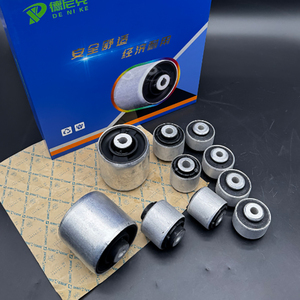
Whether you require bulk containers of universal intercooler hump hoses, fluorosilicone turbochargers connectors, or custom-molded elastomeric suspension bushings for Spanish logistics fleets, our engineering team is ready to review your CAD files and sample specifications.