Featured OEM-Grade Coolant & Industrial Hose Solutions
Precision-moulded elastomeric lines and anti-vibration mountings compliant with ISO 3996 and DIN 73411 standards
1. Technical Executive Summary: Elastomeric Coolant Lines in Istanbul's Industrial & Mobility Hub
Istanbul stands at the crossroads of European and Asian commerce, serving as Turkey's central node for automotive manufacturing, fleet logistics, ship repair, and heavy industrial output. The demand for reliable liquid cooling lines across the Marmara region has accelerated significantly, driven by rigorous operating conditions in dense urban transit corridors, heavy-duty logistics highways, and specialized manufacturing plants in İkitelli Organize Sanayi Bölgesi (İkitelli OSB), Gebze, and Tuzla. Modern internal combustion engines (ICE), Euro 6 commercial diesel platforms, and emerging hybrid-electric drive loops generate extreme thermal, mechanical, and chemical stresses. Standard off-the-shelf rubber hoses frequently experience premature hardening, micro-cracking, electrochemical degradation (ECD), and burst failures when exposed to extended heat cycles and modern organic acid technology (OAT) coolants.
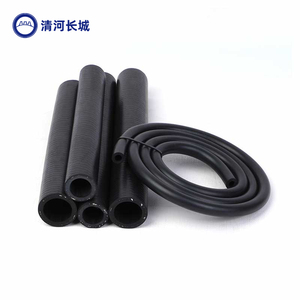
As an established global OEM manufacturer and wholesale supplier with origins dating back to 1980, our production facility delivers high-grade Ethylene Propylene Diene Monomer (EPDM), Nitrile Butadiene Rubber (NBR), and VMQ Silicone coolant hoses engineered specifically for high-duty operational profiles. By leveraging peroxide-curing chemistry, synthetic polyester/polyamide/aramid reinforcement fabrics, and precise extrusion moulding, our hose assemblies provide superior resistance to thermal aging, coolant glycol hydrolysis, high pressure spikes, and structural collapse under vacuum. This whitepaper provides procurement managers, technical directors, and spare-parts distributors across Istanbul with a comprehensive guide to selecting, specifying, and integrating direct-fit automotive and industrial coolant lines that minimize downtime and lower total cost of ownership (TCO).
Technical Insight: Peroxide-cured EPDM hoses maintain structural elasticity up to 150°C continuous service, outperforming traditional sulfur-cured compounds by preventing carbon-chain scission when exposed to modern OAT/HOAT long-life coolants.
2. Elastomer Engineering: Material Science Behind High-Performance Hose Manufacturing
Selecting the optimal coolant hose requires a precise understanding of synthetic polymer chemistry, vulcanization methods, and textile reinforcement geometry. Coolant hose failure modes in commercial vehicles and industrial equipment are rarely caused by simple mechanical abrasion alone; they stem primarily from chemical erosion caused by hot water-glycol mixtures combined with electrochemical degradation induced by stray electrical currents generated in modern engine blocks.
2.1 Compound Formulation: EPDM, NBR, and VMQ Silicone
EPDM (Ethylene Propylene Diene Monomer): EPDM remains the industry standard elastomer for radiator and heater coolant hoses due to its exceptional resistance to heat, ozone, oxidation, and water-glycol fluids. However, the performance of EPDM varies drastically based on polymer formulation. Our formulations utilize high-green-strength EPDM with a optimized ethylene content (55% to 65%) to ensure elasticity at sub-zero temperatures (-40°C) while maintaining structural wall stiffness under engine compartment heat up to 125°C continuous (150°C peak). Peroxide cross-linking creates stable carbon-carbon bonds that resist dynamic heat aging far better than traditional sulfur cross-links.
NBR (Nitrile Butadiene Rubber): In applications where the coolant line is exposed to oil mist, fuel vapors, or direct lubricating oil splashes—such as turbocharged diesel bypass lines, engine crankcase breathers, or industrial oil-coolant heat exchangers—NBR is required. While standard NBR offers limited resistance to high-temperature water-glycol mixtures, our specialized NBR/PVC blends provide dual protection: high oil resistance internally and enhanced ozone/weather resistance externally.
VMQ Silicone & Fluorosilicone (FVMQ): For extreme thermal environments (-50°C to +200°C), such as intercooler turbo hoses, heavy-duty bus radiator lines, and marine auxiliary engines, high-grade VMQ silicone reinforced with multi-ply aramid (Kevlar) fabrics provides unrivaled performance. Fluorosilicone liners are applied when acidic exhaust gas recirculation (EGR) condensate or oil blow-by is present in the intake loop.
| Elastomer Type | Temp Range (°C) | Working Pressure | Glycol/OAT Resistance | Oil/Fuel Resistance | Primary Application |
|---|---|---|---|---|---|
| Peroxide EPDM | -40°C to +150°C | 0.3 to 1.5 MPa | Excellent | Poor | Radiator, Heater & Engine Coolant Lines |
| NBR / NBR-PVC | -30°C to +110°C | 0.5 to 2.5 MPa | Moderate | Excellent | Oil-Coolant Lines, Fuel Bypass, NBR Hoses |
| VMQ Silicone (Aramid) | -50°C to +220°C | 0.5 to 3.0 MPa | Excellent | Fair | Turbo Charge Air, Euro 6 Bus Radiators |
| FVMQ Lined Silicone | -50°C to +200°C | 0.5 to 3.0 MPa | Excellent | Superior | EGR Coolant Loops, Blow-by Turbo Lines |
2.2 Textile Reinforcement Engineering & Wall Construction
Unreinforced rubber tubing expands radially and balloons under system pressure, leading to drop in flow velocity, pressure loss, and early fatigue wall rupture. Our hoses incorporate high-tenacity knitted or spiral-wound synthetic yarns integrated directly between outer and inner elastomeric layers during extrusion. For standard radiator and heater applications, high-density polyester (PET) or polyamide (PA 6.6) fabrics are specified to accommodate working pressures up to 0.6 MPa (6 bar) with burst safety margins exceeding 2.4 MPa (24 bar). In high-pressure industrial lines or turbocharged automotive applications, aramid fiber layers are embedded to prevent wall deformation under continuous 2.5 MPa pressure loads.
3. Localized Application Scenarios Across Istanbul and the Marmara Region
Istanbul’s geography and industrial setup create unique operational demands on liquid cooling systems. Below are the primary sectors across Turkey where our rubber coolant hoses, vibration mounts, and custom rubber fittings are deployed:
Urban Transit & Metrobus Fleets
Istanbul’s IETT public bus fleet and Metrobus rapid transit line run continuously under heavy stop-and-go conditions across the Bosphorus bridges. Engine compartments reach high temperatures. Our peroxide-cured EPDM shaped radiator hoses and silicone hump tubes ensure leak-free performance on Mercedes-Benz Conecto, Otokar Kent, Karsan, and Temsa platforms.
İkitelli OSB & Gebze Industrial Equipment
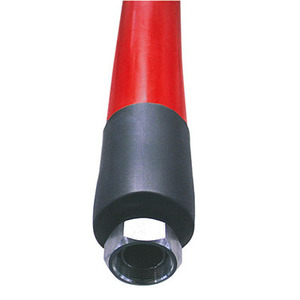
Industrial plastic injection moulding machines, die-casting plants, and factory automation in İkitelli OSB and Gebze require high-temperature temperature-control hoses (Temperierschlauch Mt 350). Our oil and water-resistant NBR coolant lines with reinforced threads handle severe thermal fluid cycling in heavy manufacturing environments.
Tuzla Shipyard & Marine Cooling
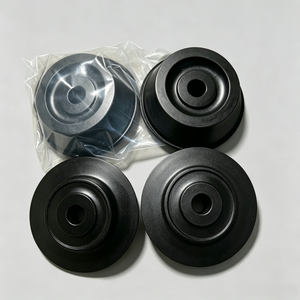
Shipbuilding and repair yards in Tuzla and Yalova demand seawater and coolant heat-exchanger flexible lines. Our heavy-wall marine engine coolant hoses and cylindrical anti-vibration mounts resist salt spray, bilge oil, and high vibration on tugboats, ferries, and commercial vessels operating in the Marmara Sea.
Heavy Earthmoving & Construction Fleets
Infrastructure mega-projects across Marmara rely on Komatsu, Caterpillar, JCB, and HD Hyundai excavators and haul trucks. Heavy hydraulic shocks and engine vibration require rugged excavator engine mount cushions (21T-01-11150) and flexible NBR/EPDM radiator bypass hoses that prevent equipment breakdown on site.
Light Commercial & Courier Logistics
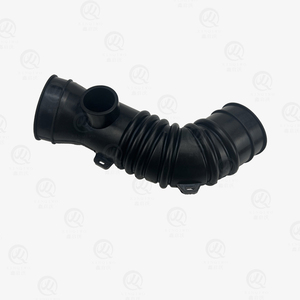
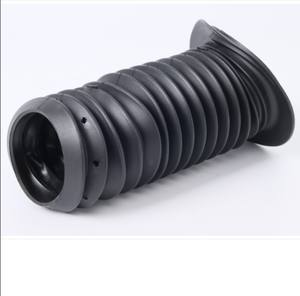
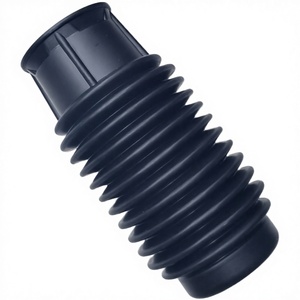
The rise of e-commerce delivery across Istanbul's 39 districts has increased wear on light commercial vehicle (LCV) fleets like Ford Transit, Toyota Hiace, Fiat Ducato, and Renault Master. Our air intake tubes (17881-0C010) and strut dust boots preserve powertrain components under high mileage.
Generator & Stationary Power Cooling
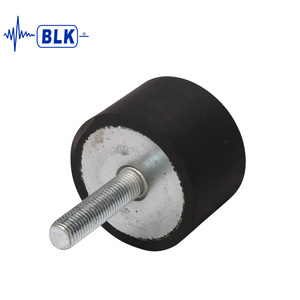
Data centers, hospitals, and commercial complexes across Istanbul rely on diesel backup generators. Our heavy-duty cylindrical rubber mounts and straight/elbow coolant connectors isolate engine vibration, preserving radiator solder joints and preventing structural fluid leaks.
4. Local Industry Trends & Compliance Requirements in Turkey (2025–2030)
Turkey’s automotive and manufacturing ecosystem is undergoing rapid modernization. Alignment with European Union regulations, stricter emissions standards, and localization mandates have reshaped procurement standards for rubber automotive parts across the Marmara region:
1. Euro 6d and Euro 7 Fleet Integration: Major bus and truck manufacturers operating in Turkey (such as Ford Otosan, Mercedes-Benz Türk Aksaray/Hoşdere, Otokar, and Anadolu Isuzu) are enforcing tighter tolerances on engine compartment components. Euro 6 engine bays experience elevated operating temperatures due to exhaust gas recirculation (EGR) and selective catalytic reduction (SCR) systems. Consequently, conventional low-cost rubber hoses are being phased out in favor of peroxide-cured EPDM and aramid-reinforced silicone hoses capable of enduring continuous 150°C temperatures without cracking or wall degradation.
2. Electrochemical Degradation (ECD) Resistance: Modern cooling systems mix aluminum engine blocks, copper heater cores, cast iron pump impellers, and synthetic coolant fluids. This combination can create a stray galvanic battery cell effect, transferring ions through the coolant fluid. Electrochemical degradation causes microscopic voids to form in the inner tube of standard EPDM hoses, causing premature micro-fissures and wall pinholes. Our EPDM compounding process uses non-conductive carbon black additives to deliver verified ECD-resistant hoses compliant with SAE J1684 testing standards.
3. Nearshoring and Supply Chain Resilience: Turkish spare-parts wholesalers and OEM assembly lines are reducing reliance on unpredictable long-distance supply chains. By establishing direct wholesale supply agreements with our factory, Turkish buyers benefit from reliable batch-to-batch consistency, customized private-label packaging, direct factory pricing, and rapid logistics routing into Istanbul ports (Ambarlı Port, Haydarpaşa Port) and inland customs hubs (Erenköy, Halkalı).
5. Enterprise Manufacturing Advantages & E-E-A-T Competence
With a legacy dating back to 1980, Amit Rubber Products has grown from a regional elastomer moulding shop into an international manufacturer exporting automotive and industrial rubber parts to over 20 countries. Our operational framework adheres strictly to ISO 9001:2015 quality management systems, ensuring complete traceability from raw polymer compounding to final hydro-pressure testing.
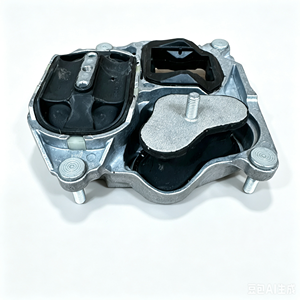
Why Istanbul Procurement Managers Partner With Us: We combine 40+ years of rubber chemistry expertise with in-house CNC toolmaking, allowing rapid development of custom moulded hoses, gearbox brackets, and anti-vibration rubber-metal mountings from CAD drawings or physical samples within 15–20 business days.
Our Quality Assurance Protocol:
- Rheometer Compound Testing: Every rubber batch undergoes rheometer testing to verify scorch time, cure rate, and optimum vulcanization properties before entering extrusion presses.
- Tensile & Elongation Verification: Dumbbell samples are pull-tested on digital tensile testers to guarantee minimum 8.5 MPa tensile strength and >300% elongation at break.
- Hydrostatic Burst Pressure Testing: Samples from every production run are pressurized to failure, verifying a minimum 4:1 safety factor over working pressure limits.
- Thermal & Glycol Aging Chambers: Hoses are immersed in 50/50 water-glycol solutions at 125°C for 168 continuous hours to verify hardness change remains within ±5 Shore A.
6. Frequently Asked Questions for Istanbul B2B Buyers & Importers
Partner with a Leading Coolant Hose Factory for Turkey
Looking for direct-factory wholesale supply, OEM cross-referencing, or custom rubber development for the Istanbul market? Speak directly with our engineering team today.
Contact Us