46+
Years of Engineering Heritage
100%
Dimensional & Compound Verification
20+
Global Export Destinations
OE Spec
Hardness & Elasticity Matched
High-Durability Suspension & Vibration Damping Parts
Engineered to absorb severe torsional shock, isolate high-frequency road vibrations, and prolong the lifespan of commercial suspension setups.
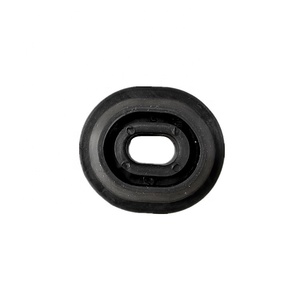
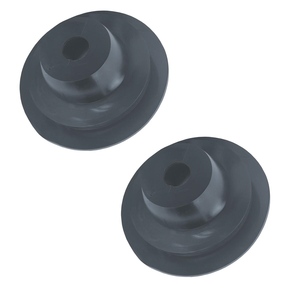
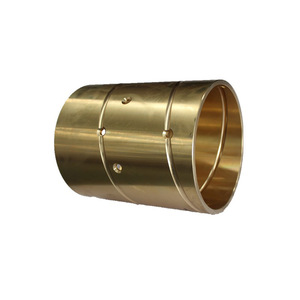
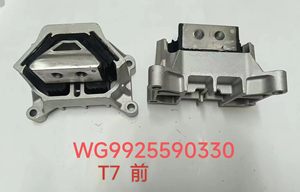
Engineering Suspension Strut Mounts for Thailand’s Logistics Ecosystem
A deep technical breakdown of elastomer fatigue, mechanical vibration dampening, and thermo-oxidative resistance in tropical highway duty cycles.
1-Tonne Pickup Fleet Saturation & Highway Corridors
Thailand serves as the undisputed "Detroit of Asia," particularly for 1-tonne commercial pickup platforms (Toyota Hilux, Isuzu D-Max, Ford Ranger) and medium-duty freight trucks. In Thailand's logistics infrastructure, these vehicles are routinely modified for gross vehicle weight (GVW) extensions, transporting heavy agricultural loads, processed rubber, and manufactured electronics from the industrial Eastern Seaboard (Rayong, Chonburi) through Bangkok to regional hubs in Chiang Mai, Khon Kaen, and Songkhla.
Under continuous payload stress, the front MacPherson strut assemblies and rear multi-link leaf suspensions experience severe vertical acceleration impacts. Suspension strut mounts act as the critical pivot joint and primary dampening layer between the strut assembly and the vehicle unibody or chassis bracket.
- Elastomer High-Load Shearing: Standard aftermarket rubber often suffers early delamination from the inner steel sleeve when subjected to uneven lateral g-forces during high-speed freight maneuvers.
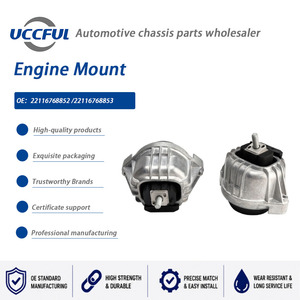
- Deflection Tolerances: Our specialized strut mounts use dual-density molded natural rubber and polyurethane cushions, maintaining dynamic stiffness (K-rate) under constant compression loads without transmitting high-frequency harshness (NVH) into the passenger cell.
Tropical Thermomechanical Degradation & Hydrolytic Stress
Operating in mainland Southeast Asia presents relentless climatic hurdles: ambient temperatures exceeding 38°C, road surface temperatures topping 60°C, and flash monsoon flooding resulting in total immersion of underbody suspension linkages. Strut mountings composed of sub-par synthetic blends suffer accelerated polymer chain scission due to atmospheric ozone and hydrolytic degradation.
When moist road dirt, grit, and saline mist penetrate unsealed strut top bearings, the resulting friction causes structural micro-tearing in the rubber insulator matrix.
Our export-grade mountings are built using specialized antioxidant/antiozonant waxes and E-coated steel plates resistant to 480-hour neutral salt-spray exposure, ensuring bonded integrity across monsoon conditions.
Emerging Trends in Thai Automotive & Heavy Transport Replacement
Analyzing key architectural changes from the Eastern Economic Corridor (EEC) to cross-border logistics routes.
EV Pickup & Commercial Fleet Electrification
With Thailand actively positioning itself as an electric vehicle manufacturing epicenter, the market has begun integrating battery-electric commercial vans and trucks. The presence of substantial battery packs elevates unladen curb weight by 20% to 35%, placing significantly higher constant static pressure on strut mounts and rubber-to-metal isolators. We are pioneering high-durometer composite damping compounds developed to resist sustained static compression creep.
Cross-Border Transit (GMS Corridor Expansion)
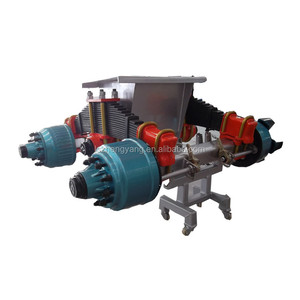
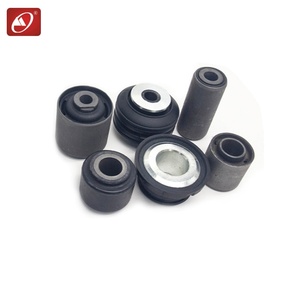
Under the Greater Mekong Subregion (GMS) Cross-Border Transport Agreement, heavy freight rigs regularly traverse routes connecting Thailand, Laos, Cambodia, and Vietnam. Varying road profiles—ranging from modern Thai motorways to unpaved cross-border arterial tracks—require multi-stage suspension dampening. Fleet procurers are rapidly pivoting toward heavy-duty, reinforced polyurethane and high-resilience bogie suspension bushes to minimize sudden highway failures.
Precision Replacement Over Full Strut Swaps
Rising operational overheads in Bangkok and regional freight centers have shifted repair philosophies from replacing entire MacPherson strut cartridges to rebuilding modular dampening points. Workshop buyers demand high-integrity strut mount bearings and bonded rubber plates that replicate factory OE NVH damping, allowing private vehicle owners and fleet supervisors to lower life-cycle overhaul expenditure while preserving directional stability.
Why Tier-1 Importers & Thai Distributors Partner With Us
Combining four decades of specialized elastomer manufacturing with rigorous dimensional accuracy and direct factory efficiency.
Four Decades of Compounding Authority
With operational roots established in 1980, we possess over 46 years of practical insight into automotive rubber and polyurethane vulcanization. Our laboratory tests raw polymers, carbon black dispersion, and sulfur cure systems to prevent brittle fracture, oil swelling, and high-frequency structural fatigue under intense loads.
Rubber-to-Metal Vulcanization Prowess
The core vulnerability of inferior strut mounts and engine dampers is bond separation between the elastomer cushion and the stamped steel flange. We utilize multi-stage chemical surface pretreatments alongside high-performance bonding primers, ensuring the vulcanized rubber tears internally before the metal-to-rubber interface separates.
Custom Tooling & OE Reference Matching
We develop high-precision tooling directly from dimensional drawings, CAD files, or physical worn samples. Importers in Thailand can supply specific vehicle platform part numbers—ranging from Japanese light trucks to European crossovers and Chinese heavy commercial tractors (Howo, Sinotruk)—with verified bolt pitches and bearing bore sizes.
Strict Pre-Dispatch Metrology & Durometer Control
Every production lot is measured across critical dimensions: inner sleeve diameter, bracket hole center distance, and shore A durometer hardness. Our automated hydraulic testing beds verify static load deflection parameters before packaging, eliminating wrong-fit returns and premature warranty claims.
Streamlined Regional Export Logistics
Operating a responsive export management model, we maintain substantial safety stock across fast-moving core reference families. Consignments are packed using moisture-resistant wrapping and edge-reinforced outer cartons to survive sea freight to Laem Chabang Port, Bangkok Port (Klong Toey), or express overland cargo.
Direct Engineering Support
Our sales engineering division collaborates directly with wholesale buyers. Rather than relying on rigid consumer catalogs, we analyze your local operating conditions—vehicle loading profiles, roadway conditions, and pricing tiers—to formulate optimized compounds and custom production schedules.
Frequently Asked Questions by Thai Auto Parts Importers
Direct technical answers addressing compound validation, OEM compatibility, and delivery scheduling.
How do you verify fitment accuracy against Thai pickup & truck OEM part numbers?
Can your rubber compounds withstand Thailand’s high heat, ozone, and wet monsoon cycles?
What is the advantage of polyurethane (PU) vs. natural rubber in heavy suspension bushings?
What are your lead times and shipping routes to Bangkok and Laem Chabang Port?
Can we request custom branding, laser marking, and customized packaging?
Scale Your Suspension Component Distribution in Thailand
Connect directly with our engineering and export team. Receive comprehensive technical drawings, hardness parameters, and bulk quotation pricing suited to your fleet or distribution network.
Get Catalog