Precision-Molded Commercial Vehicle Components
Explore our export-grade driveline supports, cabin suspension isolators, radiator hoses, and vibration damping assemblies built to withstand ambient temperatures exceeding 50°C and saline desert environments.
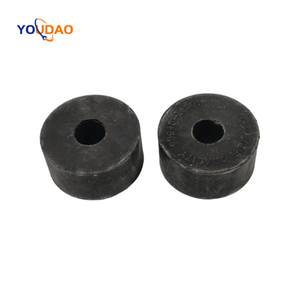
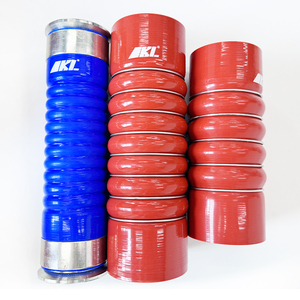
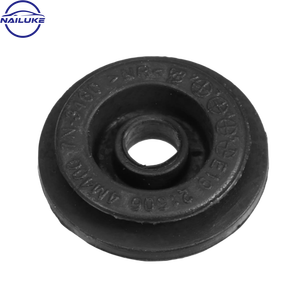
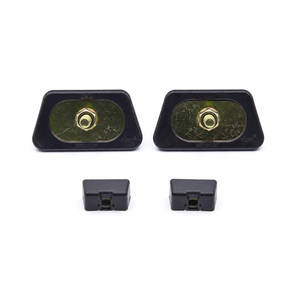
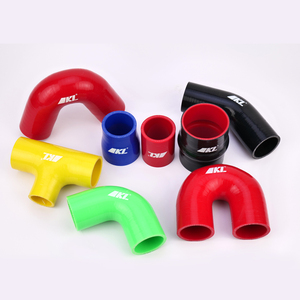
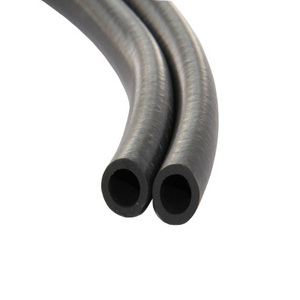
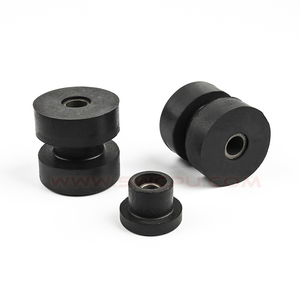
Heavy-Duty Cabin Leaf Mounting Performance in Extreme Middle Eastern Operating Climates
In heavy commercial vehicles operating across the Sultanate of Oman—from the Batinah coastal freight corridors to the harsh gravel tracks of the Marmul and Fahud oilfields—the cabin suspension assembly endures structural stresses far beyond conventional operational standards. The cabin leaf mounting serves as the primary mechanical and viscoelastic buffer between the high-torsion chassis frame and the driver cab, absorbing high-frequency harmonic vibrations and isolating massive dynamic shock loads caused by corrugated desert terrains.
Commercial fleet profitability in Oman depends directly on vehicle uptime and driver ergonomics. Conventional natural rubber bushings degrade rapidly when subjected to solar radiation index ratings above 11 UV and road surface temperatures exceeding 65°C in desert regions during midsummer. Without proper compounding and vulcanization integrity, standard cabin mountings suffer from premature vulcanizate hardening, micro-cracking, thermo-oxidative breakdown, and de-bonding between the elastomer core and the inner steel shackle sleeve. When cabin leaf mountings fail, severe vibration transmits into the cab shell, resulting in structural fatigue of windshield mountings, electrical harness disconnections, steering column misalignment, and driver fatigue.
1. Advanced Elastomer Compounding & Rubber-to-Metal Vulcanization
Amit Rubber Products manufactures truck cabin leaf mountings utilizing chemically stabilized compound formulations designed specifically for arid and saline Middle Eastern environments. Our engineering protocol employs an optimized blend of high-grade natural rubber (NR) and ethylene propylene diene monomer (EPDM), or heavy-duty polyurethane (PU) formulations depending on specific gross vehicle weight ratings (GVWR).
Anti-Ozonant & UV Stabilization
Microcrystalline paraffin waxes and p-phenylenediamine (6PPD) antioxidant packages migrate to the elastomer surface, creating an impermeable barrier against desert ozone and solar photo-oxidation.
Chemlok® Adhesive Interlayer
Dual-coat silane and phenolic resin bonding agents establish covalent bonds between blast-cleaned steel bushings and elastomer matrices, achieving 100% rubber-tearing adhesion under dynamic shear forces.
Anti-Corrosive Metallurgy
Metal inserts and mounting plates are fabricated from cold-rolled steel treated with zinc-nickel electroplating or electro-deposited cathodic coatings exceeding 500 hours of ASTM B117 salt spray testing.
2. Comprehensive Material Specifications: OEM vs. Industrial Replacement Standards
To assist procurement directors, fleet workshop superintendents, and commercial vehicle parts distributors across Muscat, Sohar, and Salalah in evaluating component longevity, the table below provides an empirical engineering benchmark of our cabin mounting elastomers against standard aftermarket alternatives.
| Performance Characteristic | Standard Commercial Grade | Our Heavy-Duty Desert Specification | Test Standard |
|---|---|---|---|
| Base Polymer Matrix | Commercial Scrap/Reclaimed NR | Virgin High-Cis Polyisoprene / EPDM / Cast PU | FTIR Polymer Spectroscopy |
| Hardness (Shore A Durometer) | 55 ± 8 Shore A | 65 ± 3 Shore A (Optimized Dynamic Rate) | ASTM D2240 |
| Tensile Strength (MPa) | 12.5 MPa | ≥ 22.0 MPa | ASTM D412 (Die C) |
| Elongation at Break (%) | 350% | ≥ 520% | ASTM D412 |
| Compression Set (70h @ 100°C) | 42% - 48% (Causes Cab Sagging) | ≤ 18.5% (High Elastic Memory Retention) | ASTM D395 Method B |
| Peel Adhesion (Rubber-to-Metal) | 5.5 N/mm (Partial Interface Failure) | ≥ 12.8 N/mm (100% Cohesive Rubber Failure) | ASTM D429 Method B |
| Continuous Heat Resistance | Up to 80°C | -40°C to +135°C Continuous Peak | ISO 188 Air Oven Aging |
| Ozone Cracking Resistance | Cracks within 48h (50 pphm) | Zero Cracks after 168h (100 pphm @ 40°C) | ASTM D1149 |
3. Localized Applications Across Oman's Logistics and Industrial Sectors
Heavy transport operations within the Sultanate of Oman face distinct geological and infrastructure requirements. Our cabin leaf mountings, engine isolators, center bearing supports, and cooling lines are engineered for localized heavy-duty operating profiles:
PDO Oilfield Concession Routes
Traversing hundreds of kilometers of graded desert gassi tracks across the interior (Fahud, Nimr, Marmul). Requires maximum torsional deflection to isolate severe washboard harmonic shocks without sleeve separation.
Muscat-Salalah 1,000km Corridor
Continuous sustained highway speeds under scorching daytime asphalt temperatures. Mountings prevent cumulative thermal fatigue and hysteresis build-up in long-haul prime movers and articulated tankers.
Sohar Heavy Industrial Zone
Mineral haulage, aluminum smelting logistics, and aggregate transport trucks operating in high airborne particulate environments. Sealed elastomer profiles prevent silica sand ingress and abrasive sleeve erosion.
Port of Duqm Marine & Logistics
Coastal logistics exposed to persistent humidity and marine chloride deposits. Zinc-nickel electroplated brackets protect steel components from rapid galvanic corrosion and pitting.
4. Strategic Market Trends: Oman Vision 2040 and Fleet Component Procurement
Under the infrastructure and trade development pillars of Oman Vision 2040, the Sultanate is rapidly solidifying its standing as an international transshipment and multimodal logistics powerhouse connecting the GCC, East Africa, and the Indian Subcontinent. The massive expansion of the Special Economic Zone at Duqm (SEZAD), Khazaen Economic City in Barka, and the inland dry ports has spurred substantial growth in heavy-duty commercial truck fleets.
At the same time, regional transport authorities and logistics operators are shifting away from unreliable, low-grade aftermarket rubber replacements that cause unexpected roadside breakdowns along remote highway stretches like Route 31 (Adam to Thumrait). Municipal fleets and private multi-brand logistics conglomerates are consolidating procurement around manufacturers that provide complete technical traceability, ISO/IATF quality controls, and proven resilience against severe thermal degradation.
Amit Rubber Products: 46+ Years of Heavy Commercial Excellence
Originating from the historic Kashmere Gate automotive industrial center in New Delhi, India in 1980, Amit Rubber Products has expanded over more than four decades into a leading manufacturer and wholesale exporter of heavy-duty commercial vehicle chassis, driveline, and cabin isolation solutions.
Led by seasoned automotive polymer engineers, our facilities produce components engineered to meet or exceed strict OEM dimensional tolerances and mechanical load standards. Our core production strengths include:
Tooling & Mold Development
Equipped with internal CNC mold engineering tooling centers capable of creating custom rubber and polyurethane components directly from physical samples, 2D blueprints, or 3D STEP models within tight lead times.
Broad Commercial Platform Coverage
Comprehensive parts catalogs covering Tata (Signa, Prima, 2515 TC, 1613, 709, 407), Ashok Leyland (U-Truck, Captain, BS3/BS4/BS6), Marcopolo bus chassis, Mahindra commercial platforms, and global European/Japanese heavy-haul applications.
Streamlined Export to Oman Ports
Direct logistical access to air cargo hubs and maritime container consolidation terminals servicing Port Sultan Qaboos (Muscat), Port of Sohar, and Port of Salalah with full export certification and documentation.
Frequently Asked Questions by Omani Fleets & Parts Importers
Can you cross-reference original OEM part numbers or duplicate physical samples for custom fleets? +
How do your cabin leaf mountings withstand Oman's severe desert heat and fine silica sand? +
What are the typical shipping lead times and customs documentation provided for Oman entry? +
Do you offer high-wear Polyurethane (PU) cabin and balance rod bushes as alternatives to standard rubber? +
What minimum order quantities (MOQ) apply for fleet operators and wholesale distributors in Oman? +
Equip Your Fleet with Engineered Resilience for Oman's Operating Environments
Connect directly with our engineering sales specialists to request quotation catalogs, OEM cross-reference verification, or sample validation for your commercial vehicle operations across Muscat, Sohar, Salalah, and Duqm.