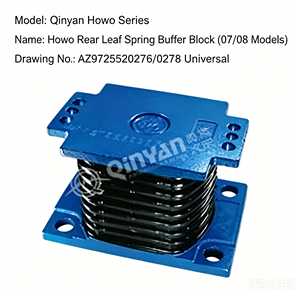
OE Precision Assemblies
Export-Certified Truck Engine Mounts & Mounting Brackets
Engineered to mitigate dynamic torque reaction, damp torsional resonance, and withstand extreme shock loads under rigorous road conditions across the Indian subcontinent.
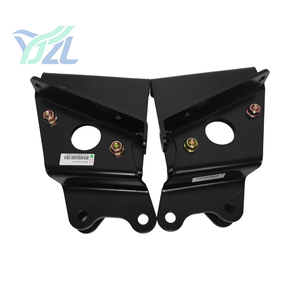
Heavy Duty Engine Mount Bracket Assembly Left WG9931931535 & Right WG9931931530 for SINOTRUK HOWO
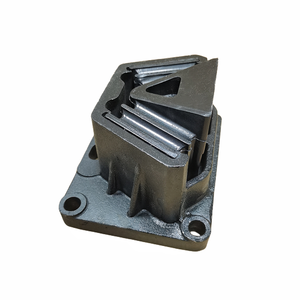
High Quality Steel Rubber Engine Mounts Dz95259590115 for Shacman Delong
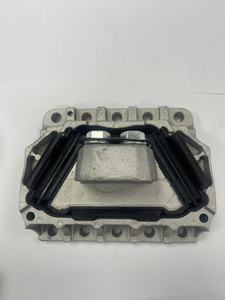
JYNBOW SemiTrailer Truck Engine Mounting Parts for 20399992 20399980 3198122
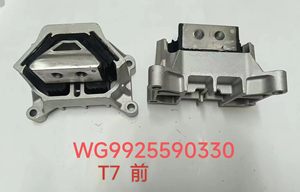
Aluminum Suspension Assembly Truck Engine Mount WG9925590330 for Sinotruk Howo T7
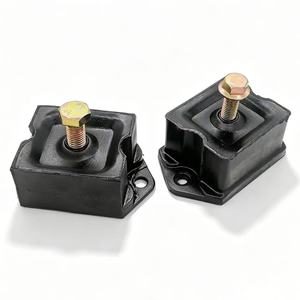
Engine Rubber Mount WG1680590095 Front Support for Heavy Duty SINOTRUK HOWO
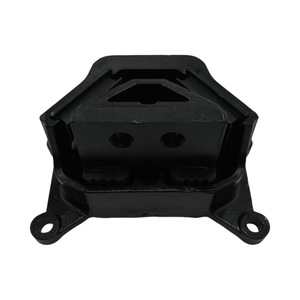
Truck Diesel Engine Parts WG9925590350 Engine Rear Mounting for Sino Howo T5G
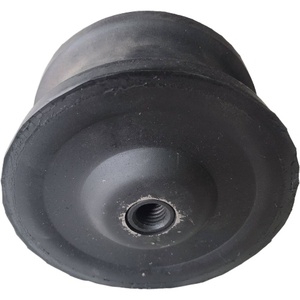
Rubber Engine Mounts 100*66 for Trucks PGRT Series OE 1372432/137207 Replacement Parts
Operational Excellence
High-Capacity Manufacturing Built for Global Demand
Combining four decades of chemical polymer engineering with state-of-the-art multi-cavity vulcanisation tooling to serve national commercial fleets and international aftermarket distributors.
46+
Years of Rubber Technology Heritage (Est. 1980)
20+
Global Export Markets Served Worldwide
100%
Batch-Tested Hydrocarbon & Tensile Resistance
45+
Catalogued Antivibration Mounts & Bush Assemblies
Engineering Field Realities
Demanding Commercial Applications in the Indian Operating Landscape
Commercial vehicles operating across India face high-ambient heat, dusty arterial highways, dynamic axle overloading, and continuous torque shock. Our engine mount configurations are custom formulated for these local constraints.
Heavy Long-Haul Logistics Corridors
Multi-axle tractors navigating the Golden Quadrilateral corridor endure sustained high operational speeds under heavy thermal cycles. Our front and rear engine mountings incorporate chemlok-bonded natural rubber with high hysteresis damping, protecting powertrain alignment and eliminating transmission housing stress during aggressive braking and sustained acceleration.
Severe Mining, Quarrying & Tipper Duty
Sinotruk Howo, Shacman Delong, and domestic tippers operating across Odisha and Jharkhand iron-ore belts experience severe torsional racking and chassis flex. Our steel-reinforced bracket assemblies (OE: WG9931931535 / WG9931931530) feature ductile spheroidal iron brackets that prevent shear fracture under off-camber terrain shocks.
Urban Intercity Transit & LCV Delivery
Tata 407, 709, and Marcopolo transit buses withstand frequent stop-and-go thermal cycling and continuous low-frequency diesel idling vibration. Our tailored shore A hardness formulations suppress cabin harmonic resonance (NVH), reduce driver fatigue, and prevent premature exhaustion of radiator hoses and intercooler couplers.
Engineering Insight
Elastomer-to-Metal Vulcanisation Standards
The primary mode of premature engine mount breakdown in commercial trucking is bond line separation caused by mineral oil degradation and high torsional shear. We utilize a three-stage surface preparation method including shot-blasting, automated silane primer deposition, and high-pressure compression moulding to deliver peel strengths exceeding 14 N/mm.
Every compound is formulated to preserve dynamic stiffness under engine compartment ambient temperatures ranging from -30°C to +120°C, offering complete reliability for fleet managers monitoring cost-per-kilometer metrics.
| Engineering Property | Standard Spec | Test Protocol |
|---|---|---|
| Hardness (Durometer) | 60 ± 5 Shore A | ASTM D2240 |
| Tensile Strength | ≥ 17.5 MPa | ASTM D412 |
| Elongation at Break | ≥ 450% | ASTM D412 |
| Compression Set (70h @ 100°C) | ≤ 25% | ASTM D395 Method B |
Advanced Anti-Corrosion Surface Treatments
Chassis components face aggressive road salts, monsoon flooding, and gravel abrasion. Our steel and aluminum engine mount housings undergo zinc-nickel electroplating or cathodic electro-deposition (CED) achieving >720 hours of ASTM B117 neutral salt spray resistance.
Direct OEM Cross-Referencing & Reverse Engineering
With an active engineering database matching Indian fleet configurations (Tata Motors Signa/Prima, Ashok Leyland U-Truck, Mahindra Bolero, BharatBenz) alongside global platforms (Sinotruk, Shacman, Scania PGRT Series), we deliver drop-in tolerance verification before batch runs.
Dynamic Frequency Matching (NVH Control)
Engine mounts function as primary acoustic filters. Our tuned isolators shift natural engine idle harmonics away from the primary chassis resonant frequencies, preserving auxiliary hoses, turbos, and exhaust assemblies from secondary fatigue cracks.
Industry Outlook
Emerging Trends in Indian Commercial Vehicle Powertrain Mounting
Regulatory shifts, infrastructure upgrades, and technological advancements are transforming sourcing criteria for fleet procurement managers and wholesale parts importers.
BS-VI OBD-II Thermal Loads
BS-VI (Bharat Stage 6) compliant engines utilize higher injection pressures and complex exhaust aftertreatment systems (SCR/DPF), driving engine bay ambient operating temperatures higher. Conventional commercial rubber formulations harden and craze quickly under these conditions. Modern buyers are transitioning toward anti-aging antioxidant-doped natural rubber blends and fluoro-silicone dampers capable of continuous operation above 100°C without structural fatigue.
Shift Toward Multi-Axle Higher GVW Tippers
With the Indian Ministry of Road Transport and Highways (MoRTH) axle load reforms, haulage fleets have scaled up to 35-tonne, 42-tonne, and 55-tonne gross vehicle weight ratings. Higher torque outputs demand high-strength cast-ductile iron brackets and heavy-duty steel plate support blocks that prevent bracket shear fracture during high-gradient, full-load starts.
Alternative Fuel & EV Commercial Powertrains
The acceleration of LNG, CNG, and electric commercial vehicles across Indian metropolitan zones introduces unique mounting parameters. Instant electric motor torque requires stiffer dynamic angular control, while gas-powered engines produce distinctly higher combustion resonance, creating sustained demand for hybrid polyurethane and hydraulic damping assemblies.
Manufacturer Profile
Why Tier-1 Importers and Distributors Partner With Us
Centrally located at the heart of automotive distribution hubs with four decades of manufacturing precision, Amit Rubber Products delivers consistent fit, dependable supply, and rapid dispatch.
Kashmere Gate Strategic Hub
Operating from New Delhi's prominent automotive corridor since 1980, we combine deep supply-chain integration with comprehensive tooling libraries for immediate domestic freight and global shipping logistics.
Custom Tooling to Drawing or Sample
Our in-house tool design team rapidly develops bespoke rubber bushings, engine supports, and radiator hoses based on client samples, dimensional cad profiles, or proprietary fleet specifications with minimal lead time.
Comprehensive Secondary Product Support
Beyond primary engine mounts, we offer consolidated container shipments including drive shaft center bearing assemblies (88509, 2518), EPDM radiator hoses, silicone turbo couplers, cabin mounts, and polyurethane bushings.
Procurement Knowledge Base
Frequently Asked Questions from Fleets and Wholesalers
Essential guidance covering technical validation, compound selection, bulk export logistics, and cross-reference matching.
Can you manufacture engine mounts from physical samples or obsolete OEM part numbers?
Yes. Many fleet operators across India run mixed vehicle platforms (including legacy Tata 1613/2515, older Ashok Leyland models, and imported Sino trucks). We regularly reverse-engineer mounts using physical samples or cross-reference numbers (e.g., WG9931931535, 1372432, 20399992). Our engineering team verifies durometer hardness, plate hole center pitch, vulcanisation profile, and thread pitch before production runs.
How do your engine mounts endure oil contamination and high engine compartment heat?
Standard natural rubber deteriorates quickly when exposed to diesel fuel leaks, gear oil, or engine blow-by. We formulate our rubber compounds with proprietary anti-ozonants, synthetic EPDM/NBR blends, and anti-aging agents. This compound structure resists chemical swelling and prevents rubber degradation across prolonged 100,000+ kilometer commercial service life.
What are the warning signs of engine mount failure on heavy commercial vehicles?
Key symptoms include excessive cabin vibration at idle, hard clunking during gear selection, radiator hose stress cracks caused by engine movement, and visible debonding between the vulcanised rubber and the metal backing plate. We recommend replacing engine and transmission mounts in complete sets to maintain powertrain alignment and protect center support bearings.
What is your typical order lead time and dispatch capability for domestic and export orders?
High-demand standard reference items are maintained in safety stock at our Delhi facility for immediate dispatch via express transport logistics. For bulk export orders or custom-tooled configurations, production cycles typically range between 15 to 30 days. Packaging includes oil-resistant barrier wrapping, heavy-duty export cartons, and fumigated wooden pallets to ensure zero moisture damage during transit.
Can we combine engine mounts with radiator hoses and center bearings in a single consolidated order?
Yes. Many international and interstate buyers take advantage of our comprehensive catalog. You can combine truck engine mounts, center support bearings, EPDM silicone turbo hoses, polyurethane cabin mountings, and gear cover boots within a single shipping consignment, reducing freight costs and streamlining inventory management.