High-Performance Silicone & Suspension Assemblies
Explore our heavy-duty silicone turbo couplings, EPDM fluid distribution circuits, and vulcanized suspension components manufactured to stringent international quality tolerances.
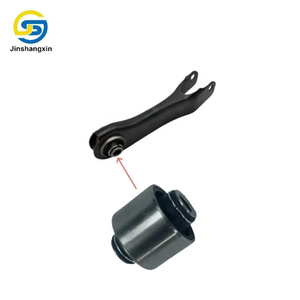
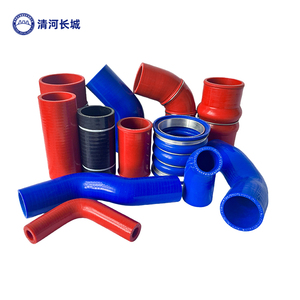
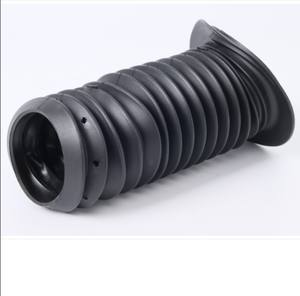
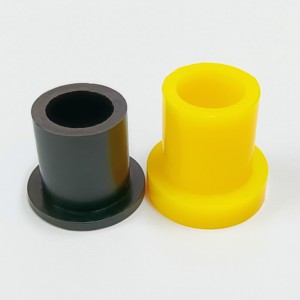
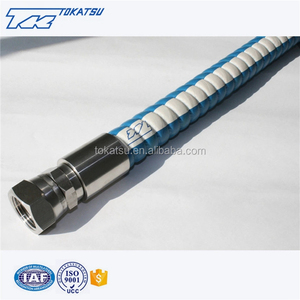
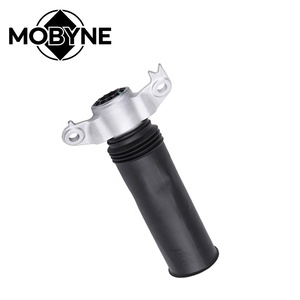
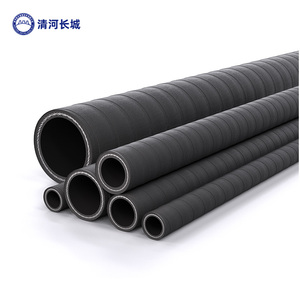
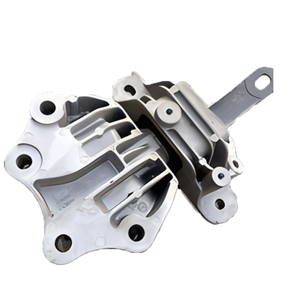
Localized Application Scenarios Across Belgium
Belgium serves as the multimodal logistics hub of Western Europe. Operating heavy transport through the Port of Antwerp-Bruges, the cross-border Wallonia-Flanders corridors, and industrial chemical clusters demands silicone and elastomeric components engineered to resist extreme duty cycles.
Antwerp Logistics & Port Haulage
Port drayage tractors, container stackers, and long-haul Euro 6 freight vehicles experience frequent torque oscillations and continuous high-temperature boost cycles along the E17 and E19 transport corridors.
- Recommended: Multi-ply Aramid/Nomex Reinforced Turbo Hump Hoses
- Dynamic Fatigue: ≥ 500,000 pressure pulse cycles @ 180°C
- Resistant to: Hydrocarbon mist & road salt de-icing fluids
Flemish Agriculture & Food Logistics
Agricultural machinery deployed in Hesbaye and West Flanders, alongside refrigerated food-grade transport chains, requires compliant fluid transfer circuits capable of continuous chemical washdown.
- Recommended: FDA-Compliant Brewery & Food-Grade EPDM / Silicone
- Sanitation Compatibility: CIP (Clean-in-Place) Steam Sterilization
- Flexibility: Sub-zero flexibility down to −40°C without hardening
Chemical Corridors & High-Output Tuning
The dense chemical clusters along the Scheldt estuary and Belgium's active motorsport hubs demand fluorosilicone-lined intake assemblies that repel corrosive vapor, fuel permeate, and ultra-high boost pressures.
- Recommended: Fluoro-Silicone (FVMQ) Liner Charge-Air Tubing
- Permeation Resistance: Zero weeping under synthetic synthetic oil vapors
- Pressure Limit: 1.0 MPa+ working pressure rating (4:1 safety factor)
Belgian Heavy-Duty & Automotive Sourcing Trends
Navigating strict Low-Emission Zones (LEZ) in Brussels, Ghent, and Antwerp alongside the EU's impending Euro 7 standard mandates significant technological enhancements in turbocharging and thermal management systems.
1. Euro 6e & Euro 7 Thermal Compliance Pressures
Under tight European emission boundaries, modern SCR catalysts, high-efficiency EGR (Exhaust Gas Recirculation) architectures, and twin-stage turbochargers generate under-hood operating temperatures regularly exceeding 220°C. Conventional black EPDM rubber exhibits micro-cracking and plasticizer loss within 18 months under such loads. Sourcing directors across Belgian municipal transport and freight networks are aggressively migrating to 4-ply and 5-ply meta-aramid reinforced VMQ/FVMQ silicone hoses to avoid unscheduled breakdown fines and costly roadside interventions.
2. Adoption of Bio-Fuels, HVO100, and Permeation Resistance
Belgium is a frontrunner in adopting Hydrotreated Vegetable Oil (HVO100) and B100 bio-diesel across commercial transport fleets seeking immediate decarbonization. However, biofuels produce aggressive blow-by condensate and acidic vapors in turbo intercooler loops. Standard silicone degrades through oil permeation, causing hose softening and clamp blow-offs. Belgian technical buyers now mandate an integrated 1.0mm fluorosilicone inner barrier (FVMQ) capable of resisting acidic hydrocarbon mist over 500,000 continuous road kilometers.
3. Near-Port Inventory Buffering vs. Agile Direct-Factory Sourcing
Warehousing real estate around Antwerp, Genk, and Liège Logistics Hub has reached record leasing costs. Wholesale importers and Tier-2 distributors cannot afford bloated buffer stocks of slow-moving turbo bends and reducers. Instead, Belgian purchasing managers are forging direct relationships with established high-capacity factories capable of providing fast turnarounds on mixed-SKU containerization, OE-matching from 3D CAD/samples, and standardized batch certifications to bypass multiple intermediary markups.
4. Strict EU Environmental & Material Traceability Standards
Sourcing into the Belgian market requires unambiguous compliance with EU REACH (EC 1907/2006) regulations prohibiting Substances of Very High Concern (SVHCs), alongside RoHS and PAH criteria. Belgian technical auditors systematically reject raw silicone formulations that rely on low-cost peroxide curing agents that release volatile residues. In response, modern production adopts platinum-cured silicone elastomers, providing superior tensile strength, zero bloom, and complete mechanical traceability.
Why Belgian Wholesalers & Fleets Source From Us
Combining four decades of rubber and silicone manufacturing heritage with cutting-edge dimensional QA, rapid sample prototyping, and specialized export dispatch capabilities.
Since 1980 Manufacturing
Over 46 years of specialized expertise in automotive rubber and silicone components, maintaining precision molds and exact compounding recipes.
OEM Part-Matching Precision
We accurately match physical samples, OE part numbers, 3D CAD files, or technical cross-sections to ensure 100% bolt-on installation without rework.
100% Batch Inspection QA
Every lot undergoes rigorous hardness (Shore A), burst-pressure, elongation, and vulcanization bonding tests before export container dispatch.
Global Export Capabilities
Serving professional distributors across 20+ countries with customized sea and air freight packaging, preserving rubber integrity through transit.
Frequently Asked Questions from Belgian Importers
Detailed insights into tooling specifications, reinforcement materials, chemical resistances, and European shipping protocols.
Can your factory match European OEM part numbers and custom CAD drawings?
Yes. Our engineering division regularly manufactures from OEM part reference numbers, 2D technical drawings, 3D STEP/IGES models, or physical samples mailed directly to our plant. For custom-profiled turbo hoses, intercooler elbows, or bonded vibration dampers, our in-house tooling facility develops precise steel molds within 15 to 21 working days, verified by Initial Sample Inspection Reports (ISIR) prior to full batch production.
How do your silicone hoses handle high-boost pressures without delaminating?
Delamination typically occurs when substandard calendered fabric or low-grade adhesive interlayers are used. We utilize high-tenacity knitted or woven Meta-Aramid (Nomex) and high-modulus polyester fabric plies, thoroughly impregnated with high-grade VMQ silicone under automated temperature-controlled rolling. This achieves structural bonding strengths exceeding 3.5 kN/m, eliminating wall ballooning or inter-ply separation up to working pressures of 1.0 MPa (10 bar) and burst thresholds beyond 3.0 MPa.
What is the difference between standard silicone and Fluorosilicone (FVMQ) liners?
Standard methyl-vinyl silicone (VMQ) offers superior thermal stability but is susceptible to swelling and degradation when exposed to direct hydrocarbon fuels, crankcase oil blow-by, or aggressive synthetic lubricants. Fluorosilicone (FVMQ) incorporates fluorinated side chains, creating an impenetrable chemical barrier. For modern Belgian turbocharger and intercooler applications subject to EGR mist and synthetic lubricants, we co-extrude a 1.0mm internal FVMQ liner with a VMQ silicone outer body for optimal chemical resistance and thermal flexibility.
What are your transit schedules and logistics routes for delivering to Belgium?
We offer versatile Incoterms (FOB, CIF Antwerp, or DDP direct to your facility in Flanders or Wallonia). Ocean container shipments typically transit to the Port of Antwerp-Bruges or Rotterdam within 24 to 28 days from dispatch. For critical prototype validation or urgent fleet downtime situations, we maintain contracts with major air express carriers, providing factory-to-door delivery within 4 to 6 business days.
Are all materials compliant with European REACH and RoHS environmental standards?
Yes. All raw elastomers, vulcanizing agents, pigments, and reinforcement fabrics comply strictly with Regulation (EC) No 1907/2006 (REACH) and do not contain substances listed on the SVHC candidate list above 0.1% w/w. Heavy metals, lead, mercury, and polycyclic aromatic hydrocarbons (PAHs) are rigorously excluded. Comprehensive compliance declarations and raw material analysis certificates are supplied alongside every export consignment.
Accelerate Your Supply Chain With Factory-Direct Performance
Send us your OEM part codes, technical dimensional sketches, or sample requirements today. Our engineering team provides comprehensive technical quotations, material datasheets, and sample dispatch schedules within 24 hours.
Contact Us