High-Performance Anti-Vibration Products for Finnish Industry
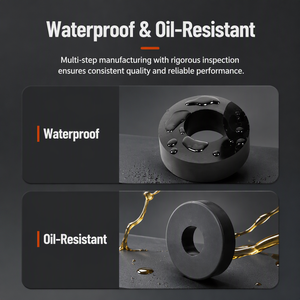
Explore our heavy-duty elastomeric mounts, threaded isolators, and custom-molded shock absorption dampers designed to withstand the combined stressors of cyclic mechanical fatigue, oil ingress, and Scandinavian sub-zero climates.
Tailored Application Scenarios Across Finland's Core Industries
Finland’s heavy engineering sector demands anti-vibration components capable of surviving cyclic thermal shocks, harsh chemical washdowns, and continuous operation under demanding Arctic loads.
Forestry Harvesters & Forwarders
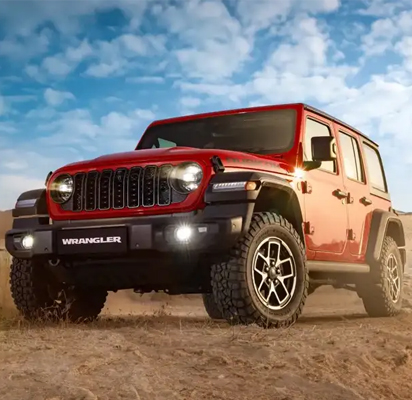
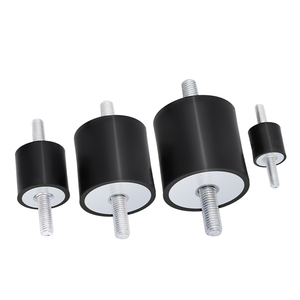
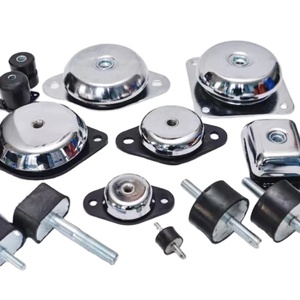
Finnish forestry machinery leaders (e.g., in Joensuu and Vieremä) operate equipment through dense Arctic boreal terrain. Our high-shear natural rubber and polyurethane engine mounts cushion multi-axis dynamic loads during heavy tree harvesting, protecting sensitive CAN bus hydraulics and cabin operators from low-frequency spinal strain.
Marine Propulsion & Icebreakers
Finland’s maritime cluster (Turku and Helsinki shipyards) designs world-class icebreakers and cruise vessels. Our marine-grade dampers decouple medium-speed diesel generators and electric azipod auxiliaries from the ship hull, ensuring compliance with DNV/Bureau Veritas underwater radiated noise (URN) standards.
Pulp, Paper & Board Mills
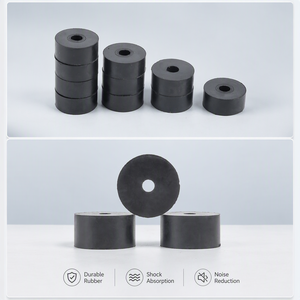
In high-speed paper processing facilities in Kotka, Kouvola, and Imatra, continuous processing rolls and high-pressure liquor pumps generate aggressive harmonic resonance. Our custom EPDM and FKM vibration pads eliminate foundation cracking, reduce bearing wear, and survive acidic and alkaline chemical vapours.
Sub-Zero Underground Mining Rigs
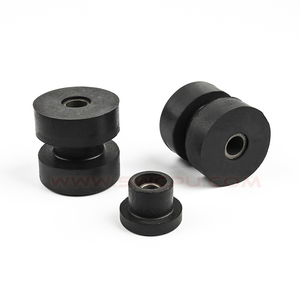
Tampere-engineered mining drills and underground haulers experience severe shock loading while cutting Scandinavian bedrock. Our custom heavy-load cylindrical buffers absorb shock energies up to 45 kJ without permanent compression set, protecting structural steel chassis joints from embrittlement fractures.
District Heat Pumps & HVAC Systems
With Finland’s aggressive green transition and massive heat pump installations in Helsinki, Espoo, and Tampere, acoustic control in urban residential areas is strictly enforced. Our waffle and ribbed EPDM pads isolate low-frequency compressor hum, maintaining noise levels below municipal noise ordinaries.
Electric Heavy Vehicles & Rail Transit
The rapid electrification of Finnish municipal buses and railway transit requires specialized elastomeric formulations that withstand high-torque sudden acceleration and high-frequency inverter oscillations without thermal runaway in the elastomeric core.
Emerging Technical Drivers in the Finnish Vibration Control Sector
Finnish machine builders (Konepajat) are navigating a technological pivot driven by carbon neutrality targets, digital condition monitoring, and strict European chemical safety directives.
Sub-Zero Elastomeric Glass Transition (Tg)
Standard synthetic rubbers experience severe hardening and micro-cracking at temperatures below -25°C. Finnish buyers increasingly specify compounded elastomers with glass transition temperatures (Tg) engineered below -55°C. By incorporating advanced plasticizers and specific cure coagents into natural rubber and specialty EPDM, our dampers maintain flexible damping cycles throughout harsh Lapland winters.
REACH, RoHS & PFAS Elimination
Finland enforces the EU REACH regulation (EC No 1907/2006) with exceptional rigor through TUKES (Finnish Safety and Chemicals Agency). Procurement directors actively screen out components with Substances of Very High Concern (SVHC), nitrosamines, and persistent PFAS bonding agents. Our formulations are certified fully compliant with current REACH Annex XVII and RoHS 3 standards.
High-Frequency EV Harmonic Damping
As heavy machinery switches from low-RPM internal combustion engines to high-RPM electric motors and inverters, vibration excitation shifts from 20–50 Hz fundamental frequencies to broadband 200–2,000 Hz electromagnetic harmonics. This transition requires high-loss factor polymers with minimal dynamic stiffening to suppress high-frequency fatigue.
| Elastomer Compound | Hardness (Shore A) | Operating Temp Range | Tensile Strength (MPa) | Damping Factor (tan δ) | Primary Finnish Application Match |
|---|---|---|---|---|---|
| Natural Rubber (NR - Arctic Blend) | 40 – 75 ±5 | -50°C to +85°C | ≥ 18.5 | 0.08 – 0.15 | Forestry harvester engine mounts, railway bogie isolators |
| EPDM (High-Resilience) | 45 – 80 ±5 | -45°C to +135°C | ≥ 14.0 | 0.15 – 0.25 | District heat pumps, outdoor HVAC chillers, paper mill pumps |
| Nitrile (NBR Oil-Resistant) | 50 – 85 ±5 | -35°C to +110°C | ≥ 15.0 | 0.12 – 0.22 | Hydraulic power packs, marine gearbox mounts, fuel systems |
| Fluoroelastomer (FKM / Viton) | 60 – 90 ±5 | -20°C to +200°C | ≥ 12.0 | 0.18 – 0.30 | Chemical recovery boilers, marine exhaust isolation buffers |
| Cast Polyurethane (PU - High Load) | 65 – 95 ±5 | -40°C to +90°C | ≥ 28.0 | 0.20 – 0.35 | Mining dump truck bump stops, fifth-wheel trailer pivot bushings |
Why Finnish OEMs & Maintenance Distributors Partner With Us
Combining four decades of rubber-to-metal vulcanization mastery with precision engineering tolerances to deliver consistent, batch-traceable anti-vibration solutions.
Since 1980 Industry Heritage
Over 46 years of specialized focus on automotive, industrial, and heavy-duty vibration isolators. Backed by leadership with direct shop-floor compounding insight, our products deliver field-proven durability across more than 20 export destinations.
Proprietary Chemical Bonding
We utilize multi-stage surface degreasing, grit blasting, and automated application of Lord Chemlok® adhesive systems. Our metal-to-rubber bond strength exceeds the cohesive tear strength of the rubber compound, preventing debonding under extreme Nordic load reversals.
Rigorous In-House QA Testing
Every batch undergoes strict Rheometer cure curve validation, Shore A hardness verification, tensile elongation checks, compression set testing (ISO 815), and dynamic cyclic fatigue testing up to 2 million cycles prior to dispatch.
Streamlined Nordic Logistics
Experienced in containerized and multimodal express cargo management directly to the Ports of Helsinki (Vuosaari), Turku, and Kotka. We provide full export documentation including EUR.1 / Certificate of Origin, mill test certificates, and commercial invoices matching EU customs declarations.
Frequently Asked Questions by Finnish Engineers & Buyers
Clear, direct answers regarding technical specifications, European regulatory compliance, sub-zero testing standards, and direct manufacturing lead times.
Q1 How do you verify low-temperature brittle point for machinery used in Northern Finland?
We test our low-temperature elastomers in accordance with ISO 812 (Determination of low-temperature brittleness) and ASTM D2137. Samples are pre-conditioned at temperatures down to -50°C in environmental chambers and subjected to standardized impact velocities. We also verify the glass transition temperature (Tg) using Differential Scanning Calorimetry (DSC) to ensure our compounds maintain elastomeric behavior without brittle failure under Arctic winter conditions.
Q2 Can you provide customized mounts to replace obsolete or high-cost OEM parts from Finnish machine manufacturers?
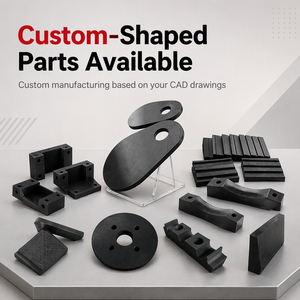
Yes. Our engineering department specializes in reverse engineering and rapid tooling development. Finnish clients regularly send us physical samples, 2D manufacturing drawings, or 3D CAD files (STEP/IGES) of discontinued or overpriced local parts. We map the exact metal hardware geometry, measure dynamic durometer, and formulate an identical or superior compound with full fitment and performance guarantees.
Q3 What corrosion protection coatings are applied to threaded studs and metal backing plates?
For Finnish atmospheric and coastal environments, standard zinc plating is often insufficient. We provide trivalent clear or yellow zinc plating (minimum 12–15 μm) tested to ISO 9227 (neutral salt spray) for 240+ hours. For marine, de-icing chemical, or chemical pulp mill exposures, we provide Zinc-Nickel (Zn-Ni) coatings providing 720+ hours of white rust resistance, or 304/316 marine-grade stainless steel hardware chemically bonded directly to the rubber.
Q4 Are your vibration dampers fully compliant with the EU Machinery Directive and REACH/RoHS regulations?
All products shipped into Finland comply with EU Directive 2006/42/EC (Machinery Directive) safety expectations, and our manufacturing facilities operate under strict ISO 9001 quality systems. We provide comprehensive Declarations of Conformity for REACH (EC 1907/2006) confirming zero presence of candidate list SVHCs above 0.1% w/w, as well as RoHS 3 (Directive 2015/863) compliance certificates with every shipment.
Q5 What are the standard delivery lead times and shipping routes to industrial hubs in Finland?
For standard catalog items, orders are dispatched within 5 to 10 working days. For custom tooling and formulation runs, prototype tooling typically takes 15–20 days, followed by 3–4 weeks for serial production. Sea freight shipments arrive via direct feeder vessels to the Port of Vuosaari (Helsinki), Turku, or Rauma within 28–35 days. For time-critical maintenance emergencies, we utilize DHL/FedEx International Priority airfreight delivering door-to-door to Tampere, Oulu, or Jyväskylä within 4 to 6 business days.
Q6 How do you assist Finnish engineering teams in calculating static deflection and natural frequency?
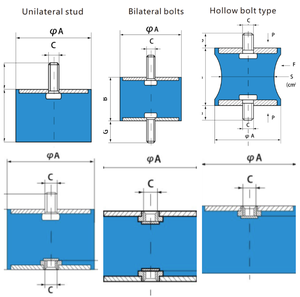
Our application engineering team provides complete technical datasheets featuring static and dynamic spring rate curves (Cz, Cx, Cy in N/mm). By supplying machine total operating weight, center of gravity coordinates, and excitation RPM (e.g., motor or pump rotational speed), we calculate system natural frequency (fn) to guarantee an isolation efficiency exceeding 90% (forcing frequency to natural frequency ratio > 2.5:1), avoiding dangerous resonance zones.
Partner with an Experienced Vibration Damper Manufacturer
Accelerate your mechanical reliability, eliminate resonance-induced equipment fatigue, and ensure Arctic sub-zero compliance with direct factory-priced anti-vibration rubber solutions. Contact our engineering specialists today for custom tooling, 3D CAD modeling, or material compounding assistance.