Strategic NVH Attenuation for Next-Generation Commercial Truck Cabins
Modern heavy-duty transport relies heavily on advanced cab suspension matrices. From extreme highway freight to punishing off-highway mining terrains, heavy commercial vehicle (HCV) cabin mountings safeguard both cabin structural integrity and driver ergonomics. By dampening powertrain resonance, torsional chassis torsion, and high-frequency road vibrations, top-tier cabin isolators reduce driver fatigue and maintain electronic stability.
Featured Isolation Mounts, Fluid Systems & Vibration Components
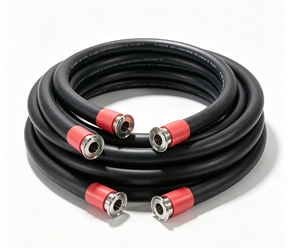
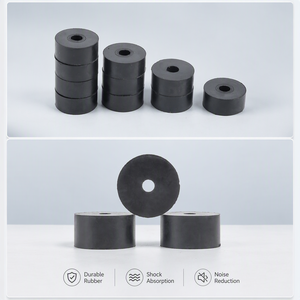
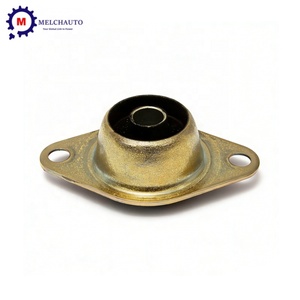
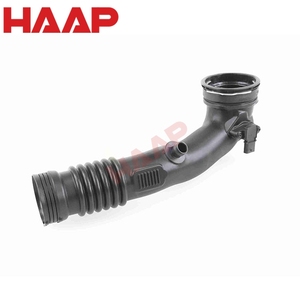
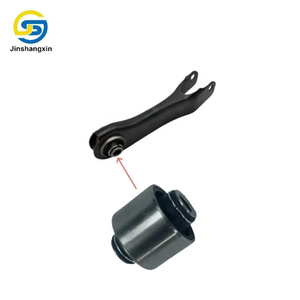
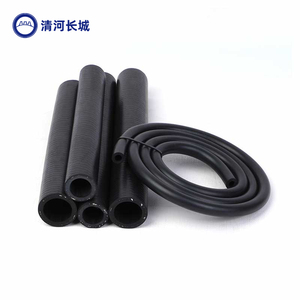
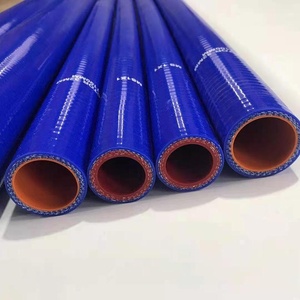
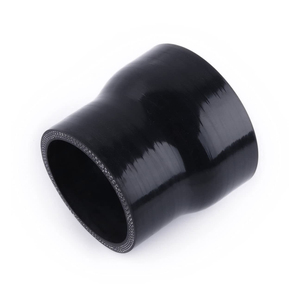
Explore our core catalog covering cabin leaf mounting rubbers, engine supports, high-durability polymer suspension sleeves, and advanced fluid transmission lines.
Comparative Analysis: Cabin Mounting Architectures
Selecting the optimal mechanical profile requires balancing cost, lifecycle requirements, and extreme dynamic stiffness specifications.
Shear & Compression Rubber Mounts
Engineered through high-pressure vulcanization of natural rubber (NR) and high-tensile steel plates. Utilizes a rubber-to-metal chemical bonding agent with shear pull strength exceeding 12 MPa. Ideal for high static carrying capacity, rigid cab guidance, and low-maintenance multi-axle tipper applications.
Hydro-Damped Elastomeric Mounts
Combines primary elastomeric resilience with a dual-fluid inertia channel. Viscous glycol fluid rushes through calibrated orifice tracks during cabin oscillation, attenuating low-frequency shock events (1–5 Hz) while maintaining compliant high-frequency acoustic dampening (>30 Hz).
Integrated Pneumatic Cabin Sleeves
Engineered with reinforced multi-ply chloroprene air bellows paired with internal hydraulic dampers. Allows dynamic leveling regardless of payload distribution. Provides superior driver isolation for long-haul tractors operating on varying interstate surfaces.
| Evaluation Parameter | Bonded Rubber Leaf Mount | Hydraulic Bushing / Mount | Air Spring & Damper Module |
|---|---|---|---|
| Resonance Isolation (Low Freq 1-8 Hz) | Moderate (Transmits Peak Impact) | Excellent (High Fluid Damping) | Superior (Self-leveling Cushion) |
| Acoustic Noise Isolation (>50 Hz) | High (Elastomer Absorbs Sound) | Moderate (Internal Cavity Resonance) | High (Polymer/Air Decoupling) |
| Operating Temperature Profile | -40°C to +90°C | -35°C to +85°C | -40°C to +75°C |
| Service Life Expectancy | 500,000+ km (Virtually Maintenance-Free) | 350,000 km (Seal Dependent) | 300,000 km (Requires Air-line Integrity) |
| Procurement & Replacement Cost | Cost-Effective / Highly Scalable | Mid-Tier Sourcing Range | Premium OEM / OES Sourcing |
Why Global Procurement Teams Choose Our Manufacturing Infrastructure
Carrying forward over 46 years of proven automotive rubber expertise, our supply ecosystem provides unmatched part accuracy, material integrity, and rapid delivery.
46+ Years Material Pedigree
Since 1980, our production facilities have pioneered elastomeric vulcanization, metal phosphating, and advanced compounding for demanding commercial vehicle fleets.
Custom Tooling & Prototyping
Rapid reverse-engineering capabilities. We engineer custom bushes, mounting assemblies, and silicone pipes from client CAD files, 2D blueprints, or physical bench samples.
Pre-Shipment Verification
Rigorous durometer hardness cross-checks, tensile failure threshold evaluations, dynamic stiffness sweeps, and dimensional salt-spray resistance audits.
Global Export Readiness
Strategically packed for marine and air transit. Immediate dispatch on ready-inventory parts for premier global freight services reaching 20+ export territories.
Strategic Sourcing & Engineering Trends for Heavy Truck Cab Mounts
Stay ahead of global logistics mandates, lightweight chassis transformations, and automated commercial transport requirements.
Electric & Hybrid Truck NVH Shift
With the elimination of internal combustion engine masking noise, high-frequency electric powertrain whine and tire slap become directly audible in the cab. Future procurement favors higher-loss factor microcellular polyurethane and targeted viscoelastic compounds to maintain whisper-quiet cab interiors.
Corrosion-Resistant Composite Brackets
Stringent fleet tare-weight regulations are driving the replacement of heavy cast-iron brackets with glass-fiber reinforced polyamides and forged aluminum housings. Modern mount manufacturing blends metal-replacement polymer brackets directly with vulcanized rubber cores.
Decentralized Direct-from-Factory Sourcing
Global distributors are bypassing traditional multi-tier trading brokers. Sourcing managers partner directly with established manufacturing plants offering certified quality management, tooling ownership, batch traceability, and rapid sample turnaround.
Frequently Asked Technical & Sourcing Questions
Clear answers to common questions about truck cabin mount sourcing, dynamic testing, batch production, and OEM cross-referencing.
How do you verify OEM part number matching and geometric fitment?
Our engineering team cross-references your OE part number (such as Tata, Ashok Leyland, Sinotruk, HOWO, Shacman, or European chassis numbers) against our master CAD database. Before tooling or production, we cross-verify critical bracket hole pitch, inner sleeve diameter, overall stack height, and elastomeric durometer (Shore A) specifications.
What elastomeric formulations are used for heavy-duty truck cabin mounts?
We formulate premium natural rubber (NR) compounds optimized with dynamic anti-fatigue agents, anti-ozonants, and anti-aging inhibitors for high mechanical elasticity and tear resistance. For applications exposed to extreme oil, grease, or heat, we deploy chloroprene (CR), NBR, or specialized microcellular polyurethane elastomers tailored to operational duty cycles.
Can you manufacture custom-engineered cabin mounts from sample parts or 2D/3D drawings?
Yes. Our in-house mold and tooling division can develop custom tooling within 15 to 25 working days. Clients simply need to provide physical parts, 3D STEP/IGES models, or 2D technical drawings along with operational requirements like working temperature range, load ratings, and target annual volume.
What quality assurance measures prevent rubber-to-metal delamination under shock loads?
All steel brackets and inner sleeves undergo precision grit-blasting followed by automated multi-stage solvent degreasing and zinc phosphating. We apply dual-layer bonding primers before high-pressure vulcanization. Each batch is subjected to 90-degree peel tests, axial shear testing, and cyclic fatigue trials to ensure the bond strength exceeds elastomer failure thresholds.
What are the typical symptoms of worn cabin mounts requiring fleet replacement?
Common indicators include excessive cabin swaying during braking or cornering, clunking sounds over road irregularities, noticeable vibration at idle, and visible rubber fatigue such as micro-cracking, swelling from oil contamination, or plate separation. Fleets should replace cabin isolators in axle-pairs or full-cab sets to avoid chassis misalignment.
What packaging and logistics provisions protect mounts during overseas shipping?
Components are treated with rust-preventive coatings on all bare metal surfaces, poly-bagged to prevent atmospheric ozone deterioration, and packed in heavy-duty five-ply corrugated master cartons. Export pallets are heat-treated (ISPM 15 compliant), shrink-wrapped with corner-edge protectors, and banded for secure sea container transit.
Request Direct OEM/OES Cabin Mount Quotations
Connect with our engineering sales specialists. Share your target OE part numbers, annual fleet procurement volumes, or custom CAD blueprints for prompt, factory-direct pricing.