Precision Anti-Vibration & Cabin Hardware Catalog
Engineered rubber-to-metal bonded mounts, polyurethane bushings, and heavy-duty chassis isolators designed for commercial haulage operating under extreme thermal and mechanical stresses.
Executive Industry Analysis: Heavy-Duty Cabin Suspension in North Africa
The Kingdom of Morocco has emerged as a premier automotive assembly and logistics powerhouse across the Mediterranean corridor. With the operational expansion of Tanger Med Port, the industrial clusters of Casablanca, and high-frequency trans-Atlas transport corridors connecting Agadir, Marrakech, and Nouakchott, the dynamic stresses imposed on commercial vehicles are severe. Within heavy-duty commercial transport (HDVs), the cabin tilt mounting system represents a safety-critical nexus. It operates simultaneously as a multi-axial vibration isolation pivot during long-haul transport and as a reliable structural hinge during maintenance cycles when the cab tilts up to 60 degrees forward.
Moroccan fleet operators, maintenance managers, and tier-one spare parts distributors continually face harsh operational realities: fine silicate dust ingress from the Sahara, extreme thermal variations ranging from coastal humidity to sub-Saharan dry heat exceeding 45°C, and punishing mechanical shocks along mining routes in Khouribga and Benguerir. In this operating envelope, conventional rubber mounts deteriorate prematurely, causing cabin tilting hydraulic lockups, uncalibrated tilt angle play, excessive NVH (Noise, Harshness, and Vibration) transmission to the driver cabin, and catastrophic structural metal fatigue along chassis cross-members.
Kinematics & Mechanical Tribology of the Cabin Tilting Mechanism
A heavy commercial vehicle cabin tilt mounting consists of two forward tilting hinge pivots paired with integrated rubber-to-metal vulcanized bushings or high-modulus polyurethane dampers, working alongside rear latch locking mechanisms and hydraulic/torsion bar assemblies. As the cab pivots over the engine compartment, the front bushings bear the shifted gross mass of the fully equipped cab (typically between 800 kg and 1,400 kg). When the vehicle is moving, the mount absorbs roll, pitch, and high-frequency vertical accelerations induced by rough road surfaces.
Dynamic testing indicates that prolonged operation in hot, dry climates causes conventional natural rubber formulations to undergo rapid thermo-oxidative cross-linking, which hardens the elastomer, increases glass transition temperatures, and leads to embrittlement cracking. When micro-fractures develop, silica particles enter the sleeve bearing interfaces, accelerating wear on the steel inner sleeves and leading to axial clearance play. Consequently, sourcing specialized cabin tilt mounts requires an understanding of elastomer compounding, anti-corrosion finishes such as Dacromet or zinc-nickel plating, and torsional fatigue ratings.
Phosphate Rock Extraction
Heavy dumpers operating across Khouribga endure heavy dust, sulfur exposure, and sustained chassis torsional twisting, which demands robust polyurethane flip beam liners.
Trans-Atlas Freight Haulage
Long-distance hauliers crossing Tizi n'Tichka face steep gradients and sharp thermal swings, requiring multi-axis front cab mounts that preserve structural elasticity under continuous dynamic load.
Agrilogistics Souss-Massa
Refrigerated agricultural transport operating from Agadir demands low NVH and stable hinge geometries to prevent cab latch misalignment during rapid highway transits.
Material Selection: Natural Rubber vs. EPDM vs. Polyurethane
Procuring cabin tilt mounts and suspension liners requires matching the mechanical elastomer to operational conditions. Sourcing directors evaluate the following primary options:
| Elastomer Property | Natural Rubber (NR) Standard | High-Grade EPDM Compound | Cast Polyurethane (PU / TPU) |
|---|---|---|---|
| Operating Temperature | -40°C to +80°C | -45°C to +130°C | -30°C to +90°C |
| Tensile & Tear Strength | Very High (22-28 MPa) | Moderate (10-16 MPa) | Superior (35-50 MPa) |
| Ozone & UV Degradation | Prone to surface crazing | Exceptional resistance | Good resistance |
| Hydrocarbon & Oil Resistance | Poor; swells on contact | Fair; swells with mineral oil | Excellent against fuel and oils |
| Dynamic Damping Performance | Optimal for NVH attenuation | Good isolation profile | Stiffer; transfer of high-freq hum |
| Typical Moroccan Suitability | Short-haul highway distribution | High-heat desert highway haulage | Mining, quarries, rough off-road terrain |
Market Landscape: Top 10 Cabin Tilt Mount Manufacturers & Suppliers in Morocco
The Moroccan market relies on established regional warehouse distributors and international manufacturers capable of meeting European and Asian truck specifications (including Renault Trucks, Scania, Volvo, Mercedes-Benz Actros, DAF, MAN, Tata, and Sinotruk Howo). Below are 10 key manufacturers and distributor networks supplying the region:
Amit Rubber Products (India Export Div.)
Manufacturing anti-vibration rubber components since 1980. Supplies direct OE-standard alternatives for Tata, Scania, Sinotruk, and custom platforms with in-house compounding, cold-forged inner sleeves, and vulcanized bonding.
Comprehensive Range & ToolingAutoplus Morocco
A premier independent spare parts distributor across Morocco, managing comprehensive warehouse facilities that supply European OEM-grade cabin shocks, tilt bushes, and chassis mounts.
National Distribution NetworkMaghreb Accessoires
A legacy importer and industrial distributor providing replacement cabin components, anti-vibration bushings, and hydraulic tilt cylinders for medium and heavy commercial fleets.
Extensive Brand PortfolioSOPIAM (Société de Pièces Automobiles Maroc)
Specializes in commercial vehicle aftermarket components, supplying fleet operators with front cab hinge links, stabilizing bushes, and suspension hardware.
Fleet Contract SupplyFreinauto Maroc
Focuses on commercial vehicle chassis, friction, and suspension parts. Supplies northern logistics corridors with OE-specification cabin brackets and dampers.
Industrial Chassis SpecialistCopart Auto Parts Morocco
Regional distributor supplying agricultural transport fleets across the Souss-Massa agricultural basin with heavy-duty engine, transmission, and cabin tilt cushions.
Regional Fleet AvailabilityAfricauto S.A.
Commercial equipment supplier distributing replacement parts for multi-ton heavy transport, including European and Asian truck front tilt hinges and support brackets.
Heavy Commercial FocusTechnique Caoutchouc Maroc (TCM)
Regional technical rubber moulder producing industrial vibration mounts, conveyor pads, and custom cabin cushion rubbers for specialized municipal vehicles.
Custom Domestic MouldingUniversal Auto Pièces
Wholesale warehouse supplying regional garages and municipal transport authorities with rubber-to-metal bushings, cab tilt pivot pins, and rear lock mounts.
Aftermarket SourcingComptoir Marocain des Élastomères (CME)
Specialized distributor and fabricator of industrial elastomers, polyurethane components, and heavy truck chassis dampers. Well known for developing custom molded poly bushings tailored to off-road mining applications in Moroccan desert conditions.
Polyurethane SpecialistsTechnical Root-Cause Analysis: Preventing Cabin Hinge Failures
Engineering surveys of failed cabin tilt assemblies returned from Moroccan transport routes show four recurring failure patterns:
1. Interfacial Adhesive Delamination: In low-cost mounts, the brass plating or adhesive chemical primer bonding the vulcanized rubber to the steel inner and outer sleeves lacks thermal and shear stability. High-torque rotational deflection during cabin tilting tears the elastomer from the metal cylinder.
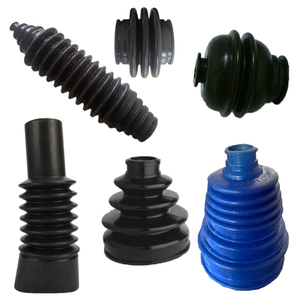
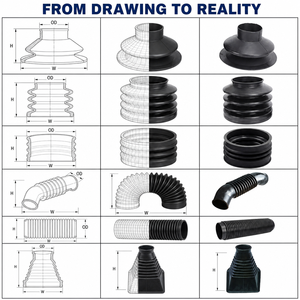
2. Silicate Ingress & Abrasive Scoring: Fine Sahara silica works into unsealed tilt bearing eyes, acting as an abrasive compound that scores pivot pins and chews through natural rubber liners. Installing protective bellow gaiters and selecting high-density polyurethane resolves this issue.
3. Severe Thermal Hardening: Prolonged radiant engine heat combined with high ambient temperatures can elevate under-cab ambient readings above 85°C. Natural rubber without heat-resistant antioxidant additives hardens, losing up to 40% of its vibration isolation capacity within 12 months.
4. Hydraulic Over-Pressurization Stress: Jammed manual or electro-hydraulic cab pump mechanisms force the cabin upward against locked rear latches. This exerts extreme twisting moment arms directly onto the front tilt mount eyes, bending low-tensile stamped steel brackets.
Localized Market Trends Shaping Procurement in Morocco (2025–2030)
The Moroccan automotive and transport spare parts supply chain is experiencing several strategic shifts:
Nearshoring Assembly Operations: The ongoing development of Tangier Automotive City and Atlantic Free Zone (Kenitra) has encouraged international tier suppliers to optimize regional procurement paths. While local manufacturing scales, direct importing from high-competency hubs remains vital for independent distributors aiming to balance OEM performance with competitive prices.
Diversification of Fleet Models: While European truck brands (Scania, Volvo, Renault, Mercedes) have historically held substantial market share, recent large-scale infrastructure and mining initiatives have introduced significant numbers of Chinese (Sinotruk Howo, Shacman, FAW) and Indian (Tata, Ashok Leyland) platforms. Fleet operators now require suppliers who can support mixed platforms under a unified procurement contract.
Adoption of High-Performance Polyurethane (PU): Across quarrying, mining, and bulk transit networks, fleet operations are transitioning away from standard black natural rubber bushings in favor of high-durability cast polyurethanes. The improved oil resistance, three-fold increase in tensile resilience, and reduced downtime compensate for higher initial material costs.
Procurement Best Practices: Evaluating Overseas Manufacturers
When sourcing direct containers or consolidated LCL shipments from international manufacturing partners like Amit Rubber Products, Moroccan procurement specialists should look for several core criteria:
• Tooling Library & Blueprint Cross-Referencing: Verify that the supplier can match components using OEM part codes (e.g., Tata, Sinotruk, Leyland, Scania, Renault), vehicle platform designations, or detailed dimensional drawings with inner/outer diameters, length, and pitch.
• Elastomer Hardness Certification: Request durometer verification (Shore A ratings) to confirm the formulation matches the dynamic loads of the specific chassis location.
• Bonding Integrity & Fatigue Life: Inquire about cyclic fatigue benchmarks and peel strength ratings on rubber-to-metal bonding interfaces.
• Export Packing Specifications: Ensure that parts for maritime shipment are packaged with anti-rust coatings, desiccants, heavy corrugated master cartons, and shrink-wrapped pallets to guard against ocean salt-fog corrosion.
Proven Manufacturing Heritage
Founded in 1980 in Delhi's Kashmere Gate automotive district, with four decades of specialized commercial vehicle rubber formulation experience.
Rapid Dispatch & Stock Availability
Comprehensive inventories of fast-moving centre bearings, engine mounts, and suspension bushings maintain efficient dispatch timelines.
Custom Tooling Development
Complete in-house capability to produce custom rubber-to-metal and polyurethane parts based on physical samples, CAD files, or technical specs.